
Stachyurus retusus
Stachyurus retusus
Description
Growing requirements
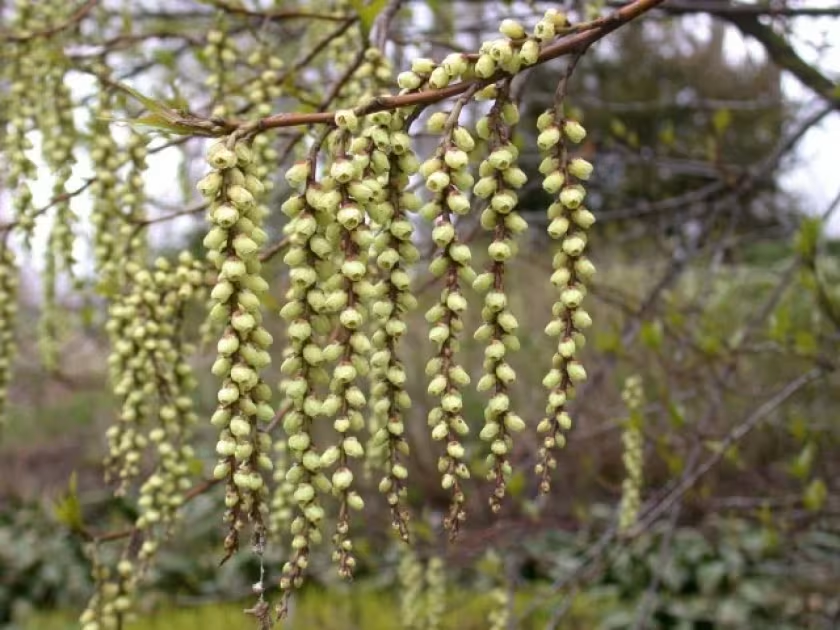
Stachyurus retusus is an attractive deciduous shrub belonging to the Stachyuraceae family, native to the mountainous regions of East Asia. It is prized in horticultural circles for its unique, drooping racemes of small flowers.
The plant thrives in partial shade, mimicking its natural forest-floor habitat. Exposure to harsh afternoon sun can scorch the foliage, while complete darkness will significantly reduce the intensity of spring flowering.
Soil conditions are critical for this species; it demands a rich, moisture-retentive, yet perfectly draining substrate. Ideally, the soil should be slightly acidic to neutral to ensure proper nutrient uptake.
Regular maintenance includes consistent irrigation throughout the growing season to prevent drought stress. A thick layer of organic mulch, such as pine bark, is highly recommended to regulate soil temperature and moisture.
Regarding climate, Stachyurus retusus is moderately hardy. In regions with severe winters, it is necessary to provide protection for the flower buds, which are set in the previous autumn and are sensitive to late frost.
Main diseases and pests
The most significant threat to the health of Stachyurus retusus is poor drainage, which rapidly leads to root rot. If the soil remains waterlogged, the roots become vulnerable to anaerobic decay.
Fungal infections such as powdery mildew can occur during periods of high humidity and stagnant air. Good air circulation is essential, so pruning should focus on thinning out the inner branches to improve ventilation.
Occasional infestations of sap-sucking insects like aphids or spider mites can occur, particularly in stressed plants. Early detection and treatment with mild insecticidal soaps are usually sufficient to manage these populations.
Nutritional deficiencies, specifically magnesium or iron, may manifest as leaf chlorosis. Soil testing and the use of balanced, organic fertilizers can prevent these imbalances and support vigorous growth.
Mechanical damage from winter winds or heavy snowfall can break brittle branches, providing entry points for wood-decay fungi. Always prune damaged wood back to a healthy bud to encourage vigorous regrowth in the spring.