
Himalayan spiketail
Stachyurus himalaicus
Description
Growing requirements
Himalayan spiketail (Stachyurus himalaicus) is a distinctive deciduous shrub belonging to the Stachyuraceae family. It originates from the temperate and sub-tropical regions of the Himalayas and Southeast Asia, where it thrives in forest margins and mountainous environments.
This shrub requires a specific set of environmental conditions to flourish, primarily focusing on moisture retention and soil quality. It demands a humus-rich, acidic to neutral soil that provides excellent drainage to prevent root suffocation during wet seasons.
Climate preferences include sheltered, temperate conditions. While the plant can withstand lower temperatures, its early blooming period makes it susceptible to frost damage, necessitating placement in locations protected from harsh, drying winds and direct exposure to early morning sun.
Cultivation practices involve maintaining a consistent moisture level in the soil without causing waterlogging. Mulching the base of the plant is recommended to stabilize soil temperature and provide a steady supply of organic nutrients to the root zone.
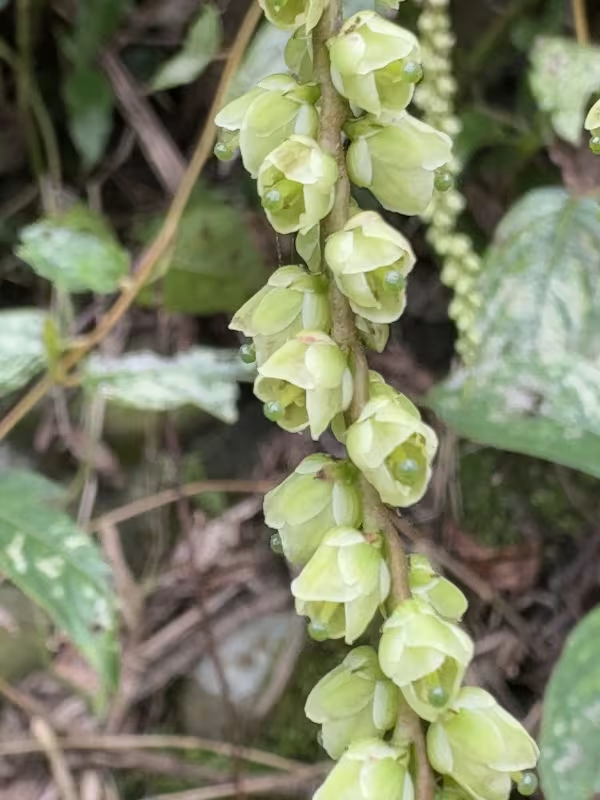
In landscaping, the Himalayan spiketail is highly valued for its striking, drooping racemes of pale yellow flowers that appear in early spring. Its secondary ornamental value is its foliage, which often transitions into vibrant shades during the autumn months.
Main diseases and pests
The primary threats to Stachyurus himalaicus involve fungal diseases, particularly root rot, which is often exacerbated by compacted soil or improper drainage. Ensuring a porous soil structure is essential for long-term health.
Pest issues are generally minimal but can include aphids that target the succulent new growth during the spring season. Integrated pest management, including regular inspection and manual removal, is usually sufficient to handle these challenges.
Nutrient deficiency, specifically related to the lack of iron or manganese, may result in leaf chlorosis. Using organic amendments and maintaining the correct soil pH is vital to prevent these physiological disorders from affecting the plant's vigor.
Mechanical damage from heavy snowfall or strong, gusty winds poses a significant risk to the plant's delicate branches. Providing physical shelter or support structures can protect the architectural integrity of the shrub in exposed garden settings.
Maintaining clear space around the plant to ensure good airflow is a critical strategy to mitigate the risk of mildew and other foliage-related issues, ensuring the plant remains healthy throughout the growing season.