
Stachyurus
Stachyurus
Description
Growing requirements
Stachyurus is a genus of deciduous shrubs or small trees belonging to the family Stachyuraceae. The plant is native to the temperate regions of East Asia, primarily spreading across Japan, China, and the Himalayan mountain ranges.
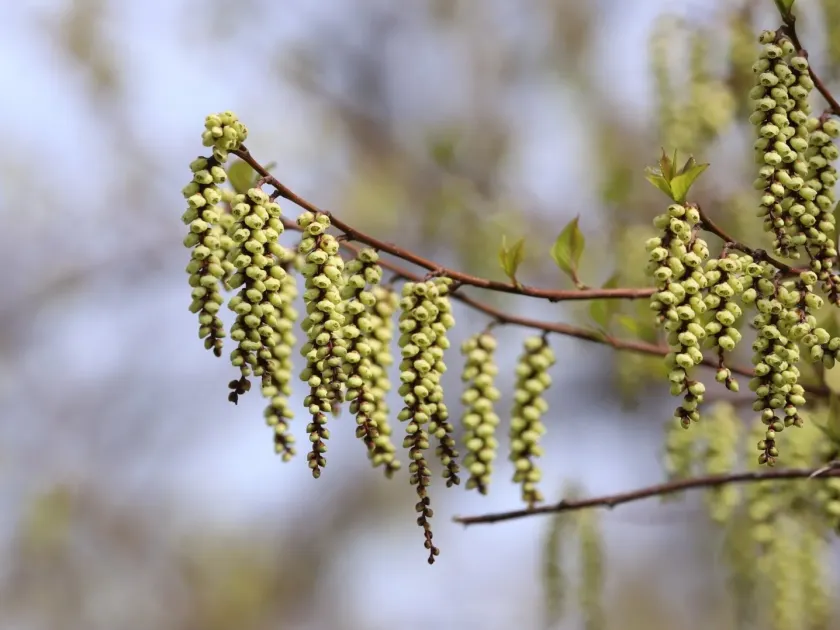
The plant is widely recognized for its botanical uniqueness: it produces long, pendulous racemes of bell-shaped flowers in early spring, often before the foliage emerges. This characteristic makes it a highly desirable specimen for gardens.
Regarding cultivation requirements, Stachyurus thrives in fertile, moisture-retentive, and well-drained soils. It prefers a slightly acidic soil pH to mimic its natural woodland habitat, ensuring robust growth and vibrant flowering.
The climate must be temperate and stable; the shrub does not tolerate extreme frost or harsh drying winds. Protection from direct, scorching sun and freezing winter gusts is essential for maintaining the health of the plant.
In terms of agricultural and horticultural use, the culture is utilized for decorative landscaping. It serves as a focal point in specialized gardens, such as rock gardens or woodland-style borders, adding a distinctive exotic appeal to the landscape.
Main diseases and pests
The primary threats to Stachyurus include root rot diseases, which occur predominantly in waterlogged or poorly drained soils. Preventing soil saturation is the most important measure in protecting the plant from fungal decay.
Pest issues often involve sap-sucking insects like aphids and spider mites, particularly during hot and dry summer spells. Maintaining adequate humidity around the plant and proper spacing are effective preventative practices.
Nutrient deficiency, specifically iron chlorosis, can occur if the soil pH becomes too alkaline. This manifests as yellowing of leaves and can be mitigated by applying chelated iron or organic soil amendments.
Frost damage to emerging flower buds is a common concern during early spring. If late frosts are predicted, covering the shrub with horticultural fleece can help preserve the floral display for the current season.
Mechanical damage to the bark must be avoided to prevent opportunistic fungal infections. When performing maintenance pruning, tools should be sanitized to reduce the risk of transferring pathogens into the plant tissues.