
Early stachyurus
Stachyurus praecox
Description
Growing requirements
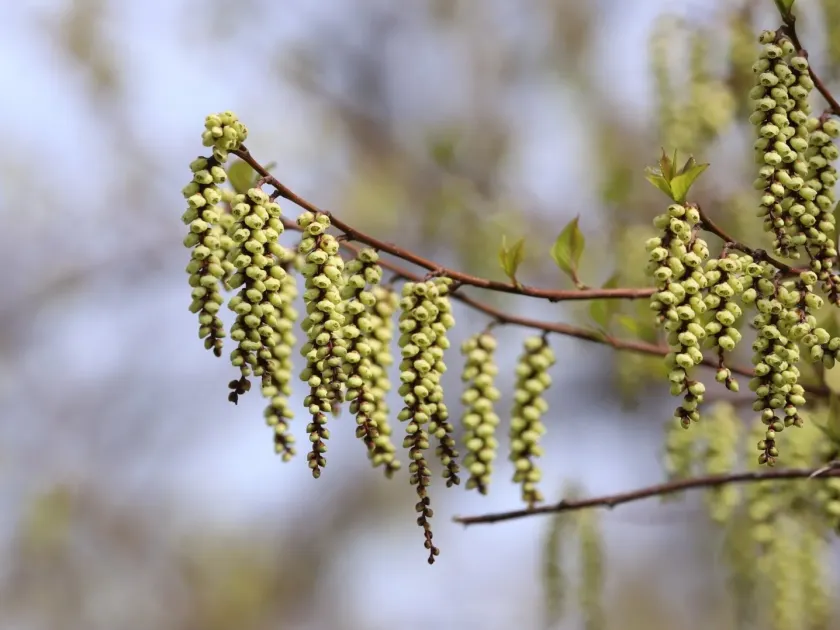
Early stachyurus (Stachyurus praecox) is a deciduous shrub native to Japan, belonging to the Stachyuraceae family. It is highly valued in horticulture for its cascading racemes of bell-shaped yellow flowers that appear before the leaves emerge.
The plant thrives in sheltered locations protected from harsh winds. While it can tolerate full sun in cooler regions, partial shade is ideal in warmer climates to prevent scorching the delicate foliage during hot summer afternoons.
Soil requirements for the species include well-draining, nutrient-rich, and slightly acidic conditions. It is essential to avoid waterlogged sites, as the root system is sensitive to prolonged moisture and can rot quickly if drainage is poor.
Cultivation practices involve maintaining consistent soil moisture, especially during the first few years after planting. Adding a layer of organic mulch around the base helps retain moisture and provides the necessary nutrients as it decomposes.
Economically and aesthetically, Stachyurus praecox is used in landscaping as a specimen shrub. Its early blooming period makes it a focal point in spring gardens, where it creates a dramatic contrast with evergreen companions.
Main diseases and pests
Root rot is the primary threat to early stachyurus, typically caused by heavy soils or poor water management. Ensuring that the planting site has excellent drainage is the most effective preventative measure against this condition.
Pests are generally not a major concern, although spider mites may infest the foliage during hot, dry spells. Regular inspection and spraying with water or appropriate miticides can help keep these populations under control.
In regions with harsh winters, young shoots may be susceptible to frost damage. Protective measures, such as winter covers or mulch, are recommended until the plant is fully established and hardened to the local climate.
Chlorosis, indicated by yellowing leaves with green veins, frequently occurs if the soil pH is too high. This condition reflects a lack of iron availability and requires soil amendment with sulfur or iron chelates.
Sanitary pruning is essential to maintain plant health. By removing dead or diseased branches after the flowering season, gardeners can improve air circulation within the canopy and reduce the risk of secondary fungal infections.