
Corn spurrey
Spergularia segetalis
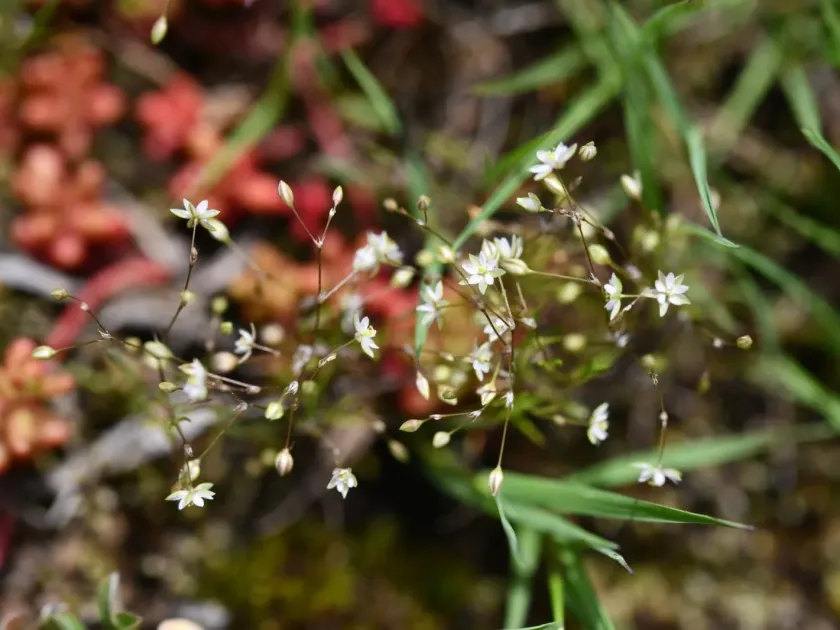
Description
Growing requirements
Corn spurrey (Spergularia segetalis) belongs to the Caryophyllaceae family. It is a distinct annual herb that has historically been found in diverse agricultural landscapes, often thriving in environments that are challenging for other crops due to soil nutrient limitations.
The origin and primary distribution of this plant are centered in Mediterranean and European regions. It has adapted remarkably well to sandy and light-textured soils where the pH level is often slightly acidic, demonstrating a unique ecological niche.
Regarding climatic requirements, the plant shows significant resilience against drought and high temperatures. Its biological strategy involves a rapid vegetative growth cycle that allows it to produce seeds before the peak summer heat sets in, ensuring the survival of the population.
Agronomic practices for this plant emphasize the importance of light soil preparation. Due to its small seed size, shallow sowing is recommended to ensure high germination rates and uniform emergence across the field during the early spring season.
In agricultural practice, the crop is occasionally valued for its utility in forage improvement programs. When cultivated, it provides a supplementary source of biomass, especially in areas where traditional fodder grasses might struggle to establish a healthy cover.
Main diseases and pests
The major diseases affecting this plant include various fungal pathogens such as downy mildew. These infections typically manifest during periods of high humidity, leading to leaf lesions and a reduction in the total dry matter yield of the crop.
Typical pests include stem-boring larvae and various species of mites that can compromise the structural integrity of the plant. These pests are particularly active during the transition between the vegetative and flowering stages of the plant's development.
Integrated pest management (IPM) is crucial for maintaining crop health. This includes the implementation of crop rotation cycles, which disrupt the life cycles of soil-borne pests that might otherwise accumulate in the field over consecutive seasons.
Mechanical weed control is also recommended to reduce competition. Since the crop is sensitive to severe shading, keeping the inter-row spaces free of other opportunistic weeds is essential for optimizing plant development and overall biomass output.
Proper harvest hygiene is required to prevent the spread of diseases via machinery. Thorough cleaning of harvesting equipment between fields is a standard requirement for preventing the cross-contamination of fields with fungal spores.