
Fimbriate sandspurry
Spergularia fimbriata
Description
Growing requirements
Fimbriate sandspurry (Spergularia fimbriata) is a herbaceous plant belonging to the Caryophyllaceae family. It is recognized as a hardy halophyte species, specifically adapted to thrive in saline environments where standard crops often struggle to establish or produce sufficient yields.
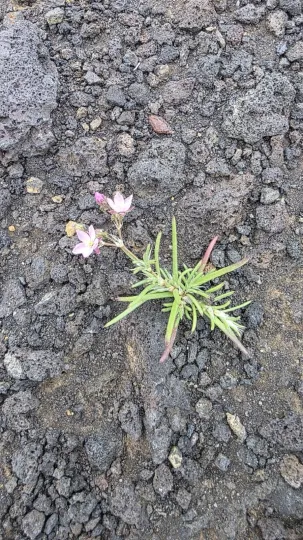
Botanically, the plant is characterized by slender stems and fascicled leaves, which are typical adaptations to arid and saline habitats. The flowers are small, distinctive for their fimbriate (fringed) bracts, providing a unique visual appearance among the sandspurry genus.
Regarding climatic and soil requirements, this species prefers well-drained, saline soils and high solar exposure. It demonstrates remarkable physiological resistance to high osmotic stress, allowing it to survive in regions with minimal rainfall and poor nutrient soil profiles.
Agrotechnical management primarily involves site preparation to reduce weed competition during the early germination phase. Once established, the plant requires minimal input, making it a low-maintenance option for land management in degraded or saline-affected farming areas.
In terms of agricultural utility, Fimbriate sandspurry is valued for its potential use as a forage supplement in harsh environments. It acts as a ground cover that helps stabilize soil structure, preventing erosion while simultaneously providing green biomass for livestock grazing in difficult terrain.
Main diseases and pests
The primary threats to Fimbriate sandspurry include fungal infections such as powdery mildew, which can occur during periods of high humidity. Regular field observation and the maintenance of optimal soil drainage are key strategies to prevent the proliferation of these pathogens.