
Purple sandspurry
Spergularia purpurea
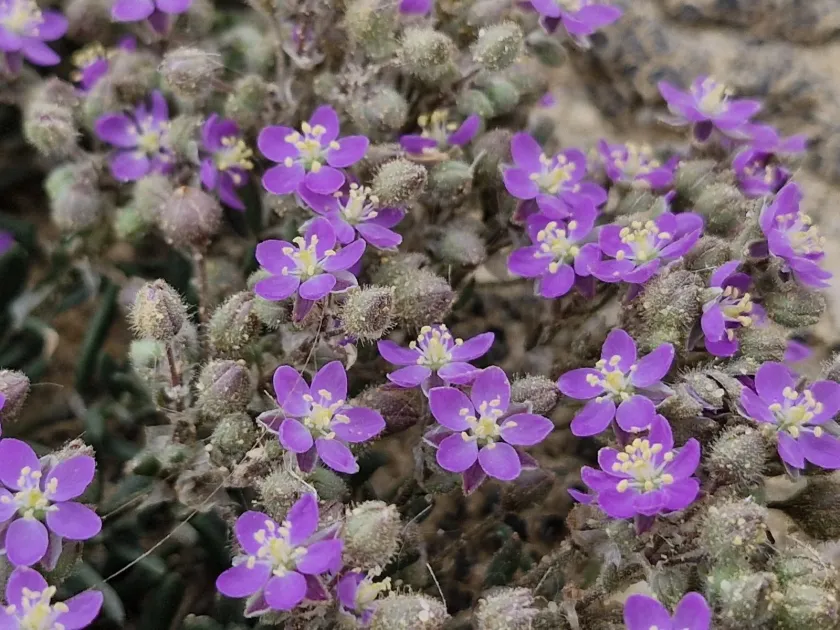
Description
Growing requirements
Purple sandspurry (Spergularia purpurea) is a herbaceous plant species belonging to the family Caryophyllaceae. Known for its resilience, it is often found in sandy or disturbed soils across various Mediterranean and European landscapes.
The origin of this species is largely linked to temperate climates, where it has adapted to harsh environmental conditions. Its distribution area reflects its ability to thrive where other, more sensitive crops fail due to soil acidity or low nutrient content.
Botanically, the plant features delicate, narrow leaves and distinctive flowers that bloom during the active growing season. Its root system is relatively shallow but highly effective at extracting moisture from coarse, well-draining soil types.
In terms of agricultural requirements, the species performs best in full sunlight with adequate drainage. It is not traditionally cultivated as a high-yield crop, but it plays a significant role in ecological balance and soil stabilization in specific rural regions.
Management practices for this species are minimal, focusing mostly on maintaining adequate soil structure and preventing excessive competition from invasive weeds. It is tolerant of various moisture levels, provided the soil does not become waterlogged for extended periods.
Main diseases and pests
The primary threats to purple sandspurry populations involve competition with faster-growing grasses and perennial weed species. In managed areas, the introduction of fertilizers usually favors dominant species, suppressing the growth of Spergularia purpurea.
Fungal diseases, particularly rusts and powdery mildew, represent common threats to the plant's health in humid conditions. These pathogens can compromise the photosynthetic efficiency of the leaves, eventually leading to lower biomass production.
Insect pests such as beetles and certain aphid species can cause damage to both foliage and seeds. This is particularly problematic in areas where the plant is encouraged to self-seed for the purpose of maintaining a permanent ground cover.
Herbivory by livestock can also be a factor in open pastures, where the plant is palatable but vulnerable to overgrazing. Sustainable grazing management is required to ensure that the plant maintains its regenerative potential throughout the grazing season.
Monitoring for signs of biotic stress, such as yellowing leaves or stunted development, is essential for identifying potential outbreaks of pathogens. Prompt identification helps in deciding whether intervention via site management is necessary.