
Nicaean sandspurry
Spergularia nicaeensis
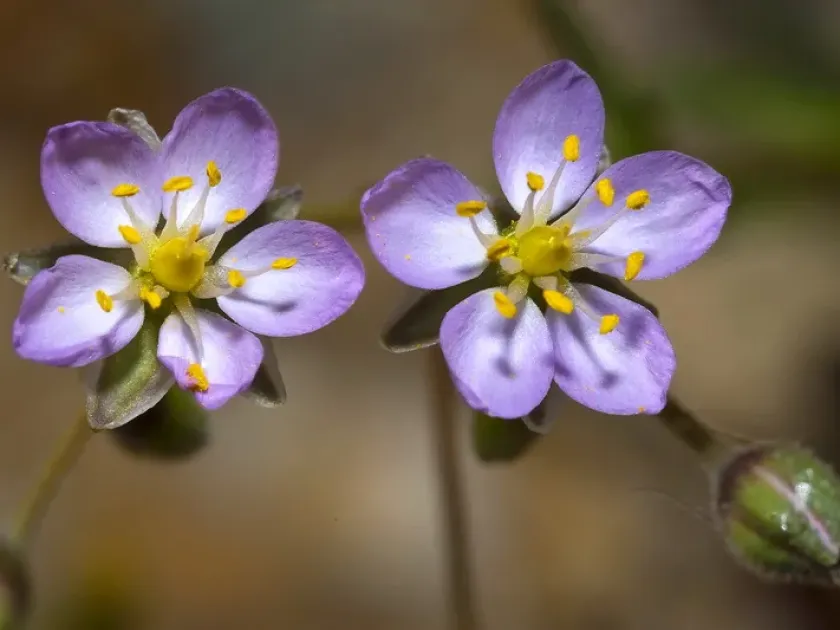
Description
Growing requirements
Nicaean sandspurry (Spergularia nicaeensis) belongs to the Caryophyllaceae family. It is a distinct herbaceous plant often found in coastal environments, sandy soils, and areas with high salinity, exhibiting significant environmental adaptability.
The plant typically grows as an annual or biennial, featuring slender stems and small leaves. Its root system is relatively shallow, which makes it particularly dependent on the moisture and nutrient content of the upper soil layers during its active growth phase.
In terms of soil requirements, it thrives in loose, well-drained substrates. The plant is notably tolerant of saline conditions, a trait that sets it apart from many standard agricultural crops, making it a subject of interest in ecological studies.
Climate preferences include high levels of solar radiation and moderate temperatures. While it can withstand temporary drought, consistent hydration during germination is crucial for establishing a healthy stand.
Agricultural management requires careful observation of soil texture. Ensuring adequate spacing is important to prevent competition, as the species performs best when it has sufficient access to light and minimal overcrowding from competing vegetation.
Main diseases and pests
Nicaean sandspurry is naturally resilient, but like most members of its family, it remains vulnerable to specific environmental and biological threats when cultivated in non-native or intensive agricultural conditions.
Powdery mildew is the most frequent disease, appearing as a white dusting on the foliage. It occurs primarily under conditions of poor air circulation and high humidity, which can be mitigated through proper plant density control.
Root rot, specifically caused by various fungal pathogens in waterlogged soils, represents a major risk factor, potentially resulting in plant death before the seed maturation stage.
Insects such as leaf-eating beetles may cause aesthetic and physiological damage. Monitoring for these pests is essential, especially during the early stages of plant development to prevent significant loss of green matter.
Integrated pest management strategies are recommended, focusing on maintaining soil hygiene and ensuring that the plants are not subjected to stress caused by nutrient imbalances or water logging.