
Spergularia macrorrhiza
Spergularia macrorrhiza
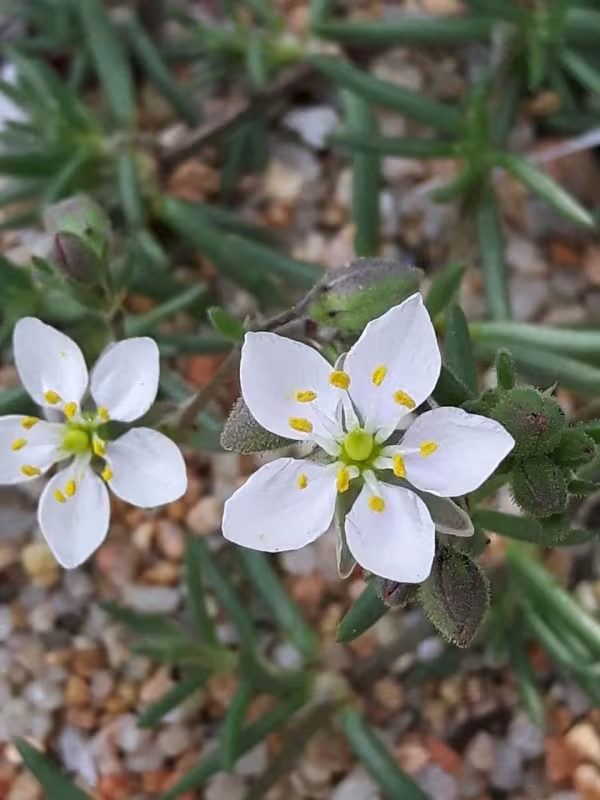
Description
Sowing dates
Spergularia macrorrhiza, a member of the Caryophyllaceae family, is typically sown in early spring when soil temperatures reach a consistent 5–8 degrees Celsius.
The seeds demonstrate excellent germination energy, allowing for dense and uniform crop establishment even in fluctuating early-season weather conditions.
The ideal sowing depth is 1–2 centimeters, ensuring that seeds maintain contact with moist soil without exhausting their energy reserves too quickly.
If summer sowing is necessary, supplemental irrigation is essential during the germination phase to ensure the establishment of the crop stand.
The recommended seeding rate for biomass production is approximately 10–12 kg per hectare, depending on specific soil fertility and preparation levels.
Growing requirements
This crop is recognized for its high ecological plasticity and remarkable tolerance to saline soils, making it an excellent candidate for land reclamation.
Spergularia macrorrhiza thrives in well-lit, sunny environments, as excessive shading significantly reduces photosynthetic activity and biomass production rates.
While the plant adapts to various soil types, including sandy and loamy ones, good drainage is critical to prevent root system issues caused by waterlogging.
The species is moderately heat-tolerant and possesses a deep root system that helps the plants survive short periods of drought during the growing season.
Maintaining a soil pH within the neutral to slightly acidic range is optimal for maximizing nutrient availability and overall plant health.
Yield
The total yield of Spergularia macrorrhiza is heavily dependent on nutrient management and the availability of soil moisture during critical growth phases.
Under intensive cultivation practices, producers can expect to achieve up to 15–20 tons of green biomass per hectare within a single growing cycle.
Seed yields generally range between 4 and 7 decitonnes per hectare, varying based on the specific environmental conditions and harvest timing.
Strategic application of nitrogen fertilizers is recommended to stimulate vegetative growth, resulting in larger, more productive stems and foliage.
Proper management of fertilization and irrigation can often support a second cutting, significantly increasing the total seasonal output of the field.
Main diseases and pests
Fungal diseases, particularly root rots favored by high humidity and dense crop canopies, are among the primary threats to crop health and yield.
Soil-dwelling pests can cause significant damage to young seedlings, making field monitoring during the first few weeks after emergence crucial.
Aphid infestations may occur in certain years, leading to the distortion of leaves and a reduction in the quality and quantity of the harvestable biomass.
Implementing a strict crop rotation schedule is essential to break the life cycles of pests and pathogens commonly associated with Caryophyllaceae species.
Early-season weed control through mechanical harrowing is necessary to ensure the crop establishes dominance over opportunistic field weeds.
Harvesting
Harvesting for biomass should commence at the onset of the flowering phase, as this is when the nutrient content and protein levels are highest.
For efficient processing, the crop is typically mowed and chopped in a single operation, facilitating rapid transport for silage or direct feeding.
When harvesting for seeds, timing is critical; work should begin when seed pods turn yellow, but before they reach the point of natural shattering.
Post-harvest, seeds must be dried to a moisture content of 12–14 percent to ensure stability during storage and to prevent heating issues.
Thorough cleaning and separation of seeds from plant debris are necessary to maintain the high quality of the seed stock for future planting seasons.