
Seemannia sylvatica
Seemannia sylvatica (Kunth) Hanst.
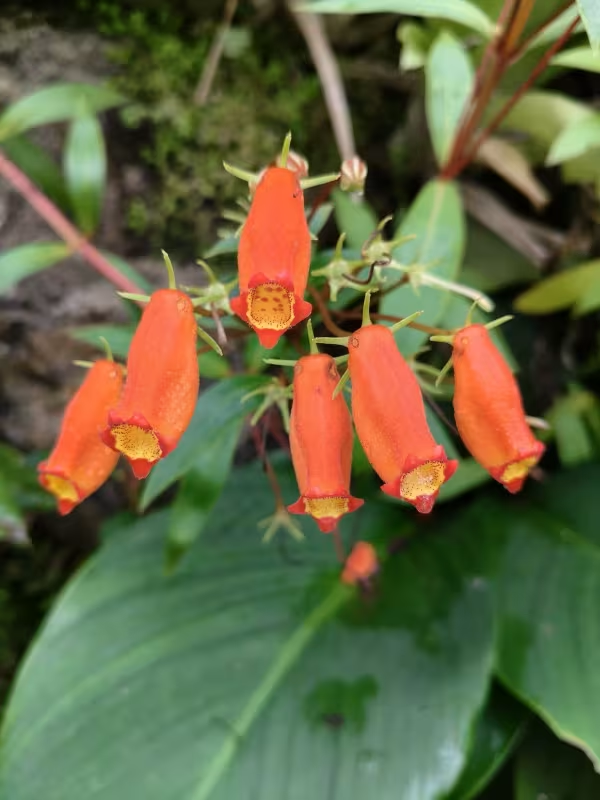
Description
Sowing dates
Propagation of Seemannia sylvatica is typically performed in early spring as the plant emerges from its dormancy. Seeds are best sown between February and March to ensure robust growth throughout the main vegetation period.
The seeds are exceptionally small, requiring surface sowing on a moist, fine-textured substrate. They should be pressed gently into the soil without covering them, as they need light for successful germination.
To maintain optimal humidity, seed trays should be covered with clear plastic or glass, creating a mini-greenhouse environment. A stable temperature of 22–24 degrees Celsius is required to trigger germination within two to three weeks.
Once the seedlings develop their second pair of true leaves, they should be carefully pricked out into individual pots. Young plants require high-quality, airy soil to prevent root compaction and promote healthy expansion.
Vegetative propagation via rhizome division or stem cuttings is also a common practice. This method is often preferred for maintaining specific clonal traits and achieving a blooming-sized plant in a shorter timeframe.
Growing requirements
Seemannia sylvatica belongs to the Gesneriaceae family and is native to the tropical forests of South America. It thrives in bright, indirect light, as direct sun exposure often causes scorching and yellowing of the foliage.
The culture demands a well-draining, loose, and slightly acidic potting mix. A blend consisting of peat moss, perlite, and leaf mold is ideal for providing the necessary aeration and moisture retention required by its rhizomes.
During the active growing season, a temperature range of 18–25 degrees Celsius is perfect. During the winter dormancy period, the rhizomes should be kept in a cooler, dry location to rest until the next cycle begins.
High relative humidity is essential for this plant. Regular misting or the use of an indoor humidifier is recommended, though caution should be taken to keep the leaves relatively dry to prevent fungal issues.
Watering should be balanced and moderate. Allow the top centimeter of the substrate to dry out between waterings to ensure the rhizomes do not rot due to excessive moisture accumulation at the base of the stem.
Main diseases and pests
The most significant threat to this species is root rot, typically caused by waterlogged soil. Ensuring adequate drainage and avoiding heavy soils are primary preventive measures for maintaining plant health.
Pests such as spider mites and mealybugs are frequently encountered in indoor environments. They favor the underside of the leaves and nodes, where they feed on plant sap and can cause significant growth stunting.
Regular inspections and the use of insecticidal soaps or systemic treatments are effective ways to manage infestations. Maintaining proper hygiene and isolating infected plants help in preventing the spread of parasites.
Botrytis, or gray mold, can occur if there is insufficient air circulation in the growing space. Increasing airflow and avoiding overcrowding of plants helps minimize the risk of this disease during humid periods.
Soil-borne pathogens can be introduced through poor-quality substrate. Sterilizing the potting medium before use is a critical agricultural practice to protect the delicate root system from nematodes and fungal infection.