
Seemannia purpurascens x Seemannia sylvatica
Seemannia purpurascens x Seemannia sylvatica
Description
Growing requirements
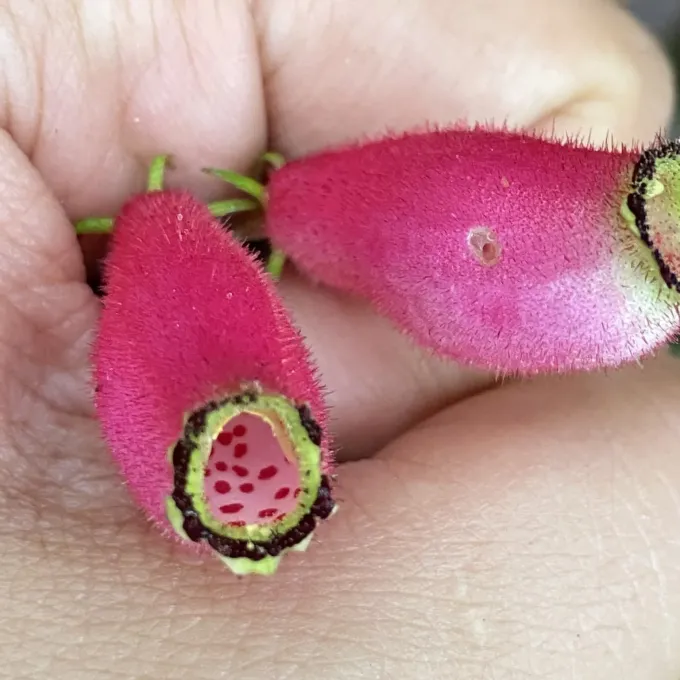
The hybrid Seemannia purpurascens x Seemannia sylvatica is a notable member of the Gesneriaceae family. It is a perennial herbaceous plant recognized for its lush foliage and distinct tubular flowers.
Native to the forest regions of South America, this plant thrives in areas characterized by high humidity and consistent rainfall, primarily found in the Andean foothills of Bolivia and Argentina.
The cultivation of this species requires a well-draining, nutrient-rich substrate. A mix of potting soil, peat moss, and perlite is generally considered ideal for maintaining optimal root health.
Environmental requirements include a consistent tropical temperature range, ideally between 20°C and 26°C. It is sensitive to cold drafts and should be shielded from sudden thermal shifts.
Light management is critical; the plant performs best under bright, indirect light. Prolonged exposure to intense, direct sunlight will damage the foliage and cause chlorophyll degradation.
Main diseases and pests
Common pests affecting this cultivar include spider mites and mealybugs. These organisms thrive in dry environments and can cause significant sap loss if left untreated.
Pathogenic threats primarily include root rot and fungal leaf spot, which are almost always triggered by poor drainage or overwatering the substrate.
Management practices for pests involve the application of horticultural soaps or specific systemic insecticides. Regular monitoring is essential to detect outbreaks at an early stage.
To prevent rot, it is recommended to ensure that the water temperature is at room level and to avoid splashing water onto the leaves during the irrigation process.
General hygiene, such as removing debris and dead foliage from the surface of the soil, significantly reduces the likelihood of fungal colonization in the growing medium.