
Seemannia purpurascens
Seemannia purpurascens Rusby
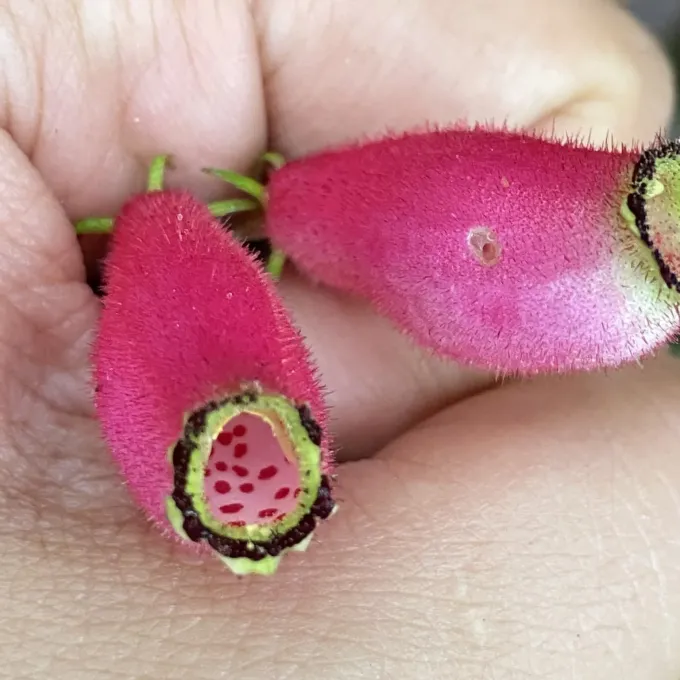
Description
Growing requirements
Seemannia purpurascens is a perennial herbaceous plant belonging to the Gesneriaceae family. Originating from South America, it is prized for its elegant growth habit and persistent rhizomes that facilitate its survival in tropical conditions.
The plant features distinctively shaped, lanceolate leaves with a soft, hairy texture. Its growth is supported by rhizomatous structures that store moisture and nutrients, allowing the plant to tolerate occasional fluctuations in its environment.
Cultivation requires bright, indirect lighting. Intense direct sunlight can damage the leaves, causing bleaching or necrotic spots, while insufficient light leads to leggy stems and poor flowering performance.
Optimal soil for Seemannia should be well-draining, loose, and slightly acidic. A mix of peat moss, perlite, and a small amount of charcoal is highly effective in maintaining the correct balance of moisture and aeration for the roots.
Temperature management is crucial: the plant prefers a stable range between 20°C and 25°C. Exposure to sudden drops in temperature, especially when the soil is moist, can trigger dormancy or damage the rhizomes.
Main diseases and pests
Spider mites are the most common pest, thriving in the warm, dry air often found in indoor environments. Regular misting and maintaining adequate humidity levels act as significant deterrents against these pests.
Root rot is a prevalent disease caused by overwatering or poor drainage. To prevent this, always ensure the container has sufficient drainage holes and use a lightweight potting mix that dries out moderately between watering sessions.