
Scutellospora
Scutellospora Walker & Sanders
Scutellospora is a genus of fungi within the family Gigasporaceae, known for forming essential arbuscular mycorrhizal symbioses with a wide variety of plant species. While not a crop for harvest, these fungi are critical biological components of healthy soils that support plant growth and productivity.
What the section contains

Scutellospora
These fungi are found globally in diverse ecosystems, particularly in habitats with stable soil conditions. They do not grow in monoculture fields but thrive in natural or sustainably managed agricultural systems where the soil structure remains largely undisturbed by heavy machinery.
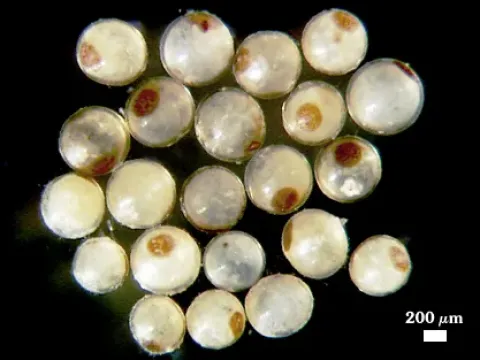
Biologically, Scutellospora is characterized by the production of large spores in the soil, which act as the primary inoculum for colonizing roots. Once attached, the fungus extends its hyphae into the plant cortex, forming specialized structures called arbuscules for nutrient exchange.
Optimal conditions for these fungi involve maintaining moderate soil moisture and ensuring the presence of suitable host plants throughout the year. The fungi rely on the plant for carbohydrates derived from photosynthesis, while in return, they significantly expand the root system's reach.
In modern agriculture, the use of mycorrhizal inoculants containing Scutellospora has gained popularity as a way to improve nutrient acquisition, especially of immobile elements like phosphorus and zinc. This allows for more sustainable farming practices by reducing chemical fertilizer requirements.
The primary threat to Scutellospora populations is intensive soil cultivation. Deep plowing disrupts the delicate extra-radical mycelial network that the fungus builds in the soil, preventing it from effectively connecting the root system to distant nutrient sources.
The excessive application of synthetic systemic fungicides can negatively impact mycorrhizal fungi. Because these chemicals are designed to target fungi, they often suppress beneficial symbioses along with pathogenic species, reducing the plant's overall resilience.
Over-fertilization, especially with high levels of soluble phosphate, often causes plants to reduce their investment in the mycorrhizal association. When plants receive nutrients easily, they limit the carbon supply to the fungus, leading to a decline in the colonization of the root system.
Soil compaction caused by heavy equipment hinders the aeration of the rhizosphere. This reduces the oxygen levels necessary for the metabolic processes of the fungus, thereby inhibiting its growth and the colonization of new root segments.
Continuous cropping with non-mycorrhizal plants or fallow periods without host vegetation can deplete the spore bank in the soil. Maintaining a diverse rotation and using cover crops are effective strategies for preserving these beneficial fungal communities in the field.