
Sclerolaena tricuspis
Sclerolaena tricuspis
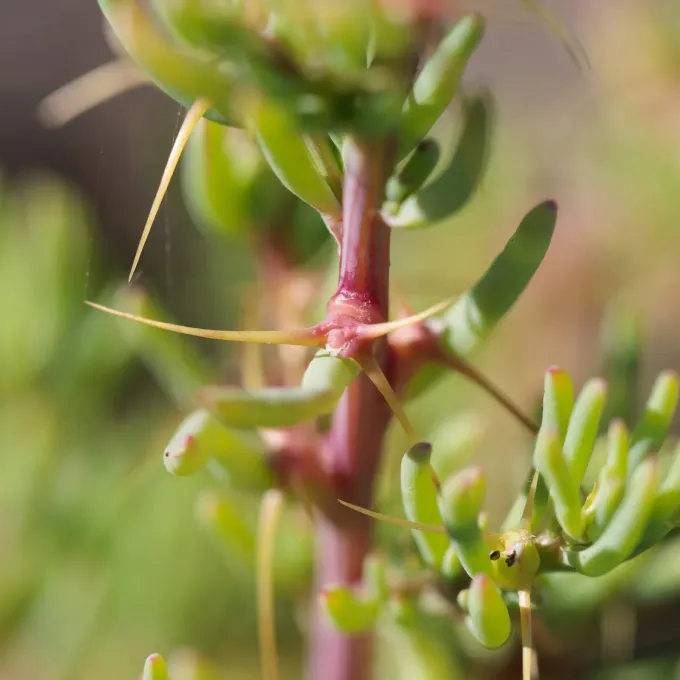
Description
Sowing dates
Sclerolaena tricuspis is a specialized species adapted to arid environments where germination is triggered by irregular rainfall events. In agricultural applications, seeding is timed to coincide with the onset of the wet season to maximize moisture availability.
The seeds require surface sowing or very shallow burial, typically no deeper than 1-2 centimeters. This mimics natural dispersal and ensures the seeds receive sufficient light signals for optimal germination.
A soil temperature range of 15 to 25 degrees Celsius is considered ideal for the initiation of seedling growth. Producers should avoid planting during extremes of heat to prevent seed desiccation and mortality of tender young sprouts.
Soil bed preparation should focus on reducing competition from aggressive invasive weeds, which can outcompete the slow-growing seedlings. Minimizing soil disturbance is essential to maintain the integrity of the soil structure and seed bank.
Following germination, the plants demonstrate a relatively slow development phase. During this period, protecting the field from grazing is vital to allow the root systems to establish deep enough to reach stable soil moisture.
Growing requirements
As a member of the Amaranthaceae family, this plant is well-known for its extreme resilience. It is a perennial subshrub native to Australian rangelands, perfectly suited for sandy or loamy soils with alkaline properties.
This species is highly halophytic, thriving in soils with salinity levels that would be toxic to most conventional agricultural crops. This attribute makes it a prime candidate for the reclamation of degraded and saline-affected lands.
Full sun exposure is mandatory for Sclerolaena tricuspis. Any shading from trees or dense shrubs leads to poor physiological performance and a significant reduction in biomass production, hindering the plant's natural survival mechanisms.
The plant demonstrates remarkable tolerance to drought by maintaining a deep taproot system. It can survive on minimal rainfall, utilizing deep subsurface moisture to maintain metabolic activity during the driest months.
Management requires minimal input, but it does rely on avoiding overgrazing. Sustainable pasture management practices that include rest periods are necessary to maintain the vigor and health of the plant population over many years.
Yield
The primary agricultural utility of Sclerolaena tricuspis is as a supplemental forage source in arid-zone sheep farming. It provides high-quality minerals and proteins, particularly during dry seasons when other grasses are dormant.
Productivity is measured by the amount of palatable foliage produced per hectare. In high-rainfall years, the plant can reach significant biomass, providing a valuable energy source for livestock grazing on rangelands.
Grazing efficiency should be managed through rotational grazing patterns. This ensures that the plants are not over-exploited and that they maintain the ability to store energy for subsequent regrowth cycles.
Yield estimates are best conducted through vegetation survey methods that track the cover and dry matter availability. This data helps ranchers determine optimal stocking rates to prevent land degradation and pasture collapse.
Beyond forage, the plant serves as a vital component in erosion control. Its dense root system and woody structure stabilize topsoil, significantly reducing the impact of wind erosion across open, arid plains.
Main diseases and pests
While naturally robust, the species can be susceptible to root rot pathogens if waterlogged conditions persist due to flooding or poor drainage. Proper site selection is the best preventative measure against these threats.
Insect pests, such as various locust species, can cause significant damage to the plant's foliage. Large-scale infestations require integrated pest management strategies that prioritize biological controls to protect the surrounding environment.
Overgrazing remains the single most significant threat to the survival of Sclerolaena populations. Excessive livestock pressure leads to soil compaction and the destruction of the reproductive parts of the plant, preventing natural regeneration.
Competition from introduced invasive weeds poses a constant challenge. Managing these invaders is crucial, as they can quickly colonize bare soil and prevent the re-establishment of native Sclerolaena populations.
Climate change and shifts in rainfall patterns may introduce stress, potentially increasing the vulnerability of the plants to opportunistic pests. Ongoing monitoring of plant health is recommended for sustainable land management.