
Schoenoplectiella praelongata
Schoenoplectiella praelongata
Description
Growing requirements
Schoenoplectiella praelongata is a member of the Cyperaceae family. It is a perennial herbaceous plant naturally adapted to habitats with high moisture levels, typically found in wetlands, shallow waters, or marshy environments.
The plant thrives in well-lit areas with nutrient-rich silty soils. It exhibits significant resilience to waterlogged conditions, making it an excellent candidate for aquatic agricultural projects and managed wetland systems.
Environmental requirements include a temperate to tropical climate where the plant can maintain consistent growth. It prefers stable water levels and requires adequate sunlight to ensure the development of its characteristic inflorescences.
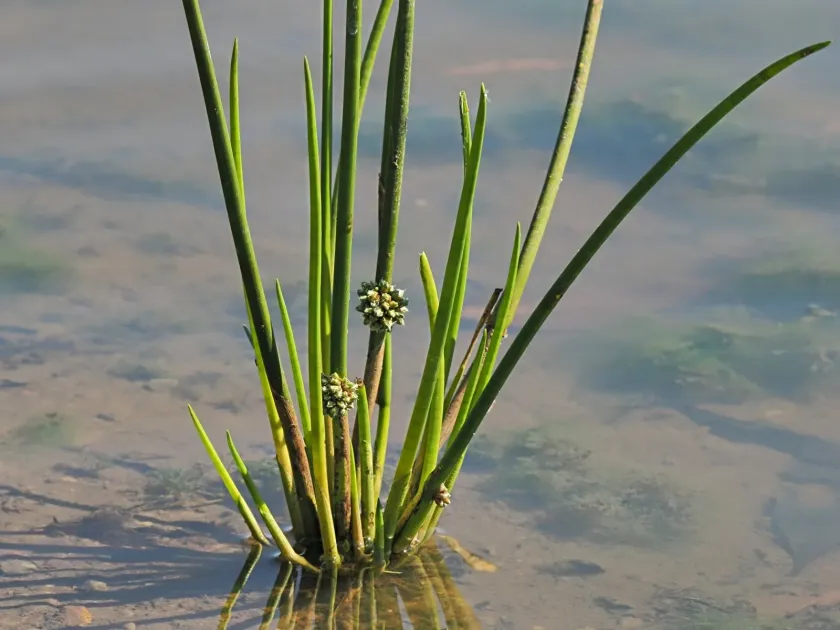
Botanical features include erect, often leafless or narrow-leaved stems that are structural to the plant's aquatic lifestyle. The inflorescences appear as dense clusters, which are distinct markers for identifying this specific species.
Agricultural and commercial use focuses on phytoremediation, where the plant is utilized to process wastewater and stabilize riparian zones. Its ability to absorb nutrients makes it a sustainable choice for ecological water treatment.
Main diseases and pests
The primary threats to the survival and productivity of Schoenoplectiella praelongata include drastic changes in hydrological cycles, specifically the total drainage of water bodies or severe drought periods.
Common biological threats involve damage from aquatic invertebrates and mollusks that may affect the stem integrity. Root-related pathogens can develop if water circulation is insufficient, leading to poor oxygenation of the root zone.
Competition from invasive plant species can hinder its growth, requiring regular management of the planting density to maintain the health of the population. Proper site preparation is essential to reduce such competitive pressures.
Pollution levels, particularly heavy metals and specific industrial chemicals, must be monitored in phytoremediation applications, as the plant can become stressed by toxic accumulation over prolonged periods.
Preventative management involves maintaining water quality and ensuring the system design allows for natural inflow and outflow, which helps in flushing out waste products and maintaining an optimal environment.