
Hotaru bulrush
Schoenoplectiella hotarui
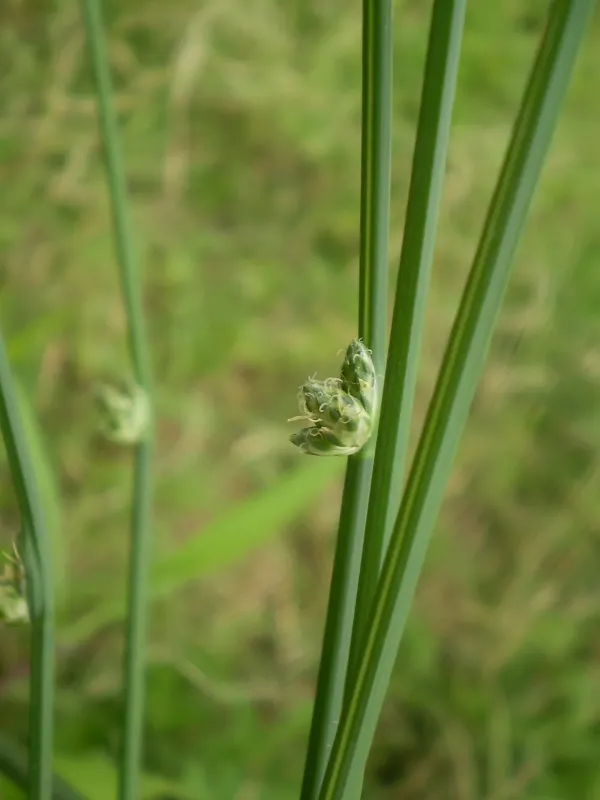
Description
Sowing dates
The Hotaru bulrush belongs to the Cyperaceae family. It is a perennial herbaceous plant that naturally propagates primarily through seeds and rhizome expansion in wet habitats.
In its natural environment, germination typically occurs in spring when water and soil temperatures reach 15–20 degrees Celsius. Consistent moisture is crucial for successful seedling establishment.
When cultivating in nurseries, seeds are sown in trays with a constantly damp substrate. Avoiding desiccation of the topsoil is essential during the early stages of plant development.
Using seedlings provides a more robust start for the crop. Once the plants reach a certain size, they are transplanted into wetlands or areas with saturated soil conditions for further growth.
The plant reaches full biological maturity by the end of the second growing season, after which it develops a strong root system capable of active expansion in its environment.
Growing requirements
The culture thrives in shallow water areas, flooded meadows, or the banks of freshwater bodies. It prefers silty or clayey soils rich in organic matter for optimal nutrient uptake.
Schoenoplectiella hotarui requires high levels of solar exposure. Shaded conditions lead to stunted growth and reduced biomass, which can hinder the plant's overall health and productivity.
High soil moisture is a non-negotiable requirement. While the plant tolerates flooding, it struggles to survive if the substrate dries out completely during the active growing season.
The ideal temperature range is moderate to warm. The plant is well-adapted to Asian climates and shows decent hardiness, allowing it to survive in various temperate regions with proper water management.
The soil should have a neutral to slightly acidic pH. The availability of nutrients in the substrate significantly influences the speed of green mass accumulation throughout the season.
Yield
The yield of Hotaru bulrush is measured by the total biomass of the aerial stems, which are harvested for craft, fiber, or fodder. Productivity depends heavily on the nutrient status of the water.
Commercial harvesting is typically performed at the end of the summer season when stems reach peak fiber strength and structural integrity required for processing.
In biofiltration systems, yield is evaluated based on the plant's capacity to absorb nitrates and phosphates from the water. Faster growth translates to higher purification efficiency.
To maximize yields, regular maintenance is required, including the removal of competing invasive species that could otherwise stunt the growth of the bulrush population.
High yields are achievable when roots have sufficient aeration and access to nutrient-rich sediment, which promotes rapid regeneration after harvesting cycles.
Main diseases and pests
Primary pests include various insects that feed on the stems, such as specific weevils and moth larvae that prefer the Cyperaceae family as a food source.
Diseases manifest as fungal infections, especially when water circulation is poor and stagnant conditions persist. This can lead to dark spots on leaves and stem decay.
Invasive aquatic species like common reed or cattail pose a significant threat, as they can outcompete the Hotaru bulrush for light and space in their natural or cultivated habitats.
Drastic changes in water levels are hazardous. Sudden drops cause root dehydration, while extreme spikes in water depth can lead to suffocation and rot of the basal parts of the plant.
Preventative measures include maintaining appropriate planting density and routine monitoring for pest activity during the early months of the summer.
Harvesting
Harvesting is performed either manually or with specialized equipment suited for wet ground conditions. Stems are cut as close to the root base as possible without damaging the rhizome.
After harvesting, the material must be dried in a well-ventilated area to prevent mold formation. Proper drying ensures the fibers remain flexible and strong for further use.
For decorative purposes, harvesting occurs before full maturity to keep the stems vibrant and green. For industrial fiber uses, waiting for full development is necessary.
Care must be taken to preserve the rhizomes during the process to ensure the population can self-regenerate in the following season without the need for reseeding.
The harvest site should be cleared of plant debris to maintain water quality and prevent excessive silting, which can inhibit future plant growth and development.