
Bog bulrush
Schoenoplectiella mucronata
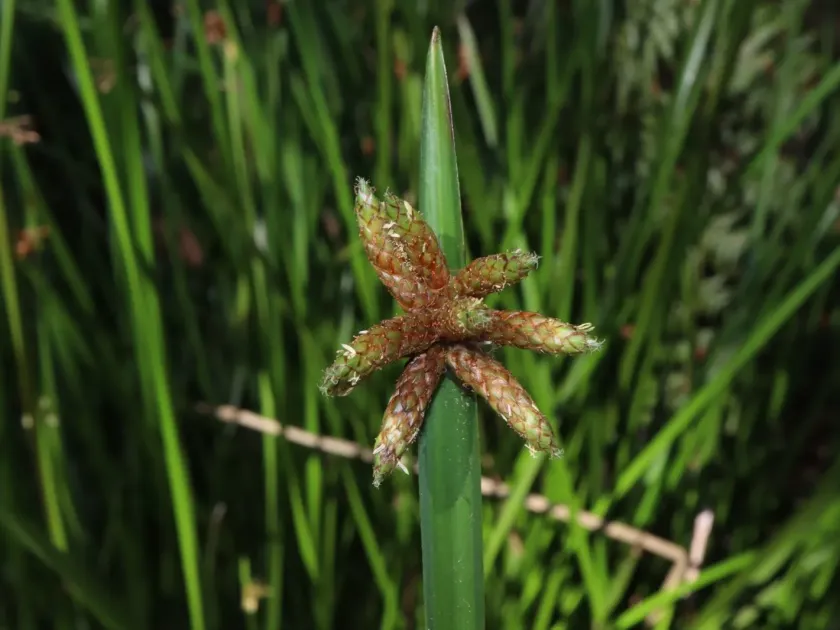
Description
Growing requirements
The bog bulrush (Schoenoplectiella mucronata) is a perennial herbaceous plant belonging to the Cyperaceae family. It is recognized in agriculture as a vital hydrophytic crop that thrives in saturated soils, shallow wetlands, and managed paddy field environments.
Native to vast regions of Eurasia, this species adapts well to tropical and temperate climates. It is frequently utilized in environmental management and industrial applications due to its resilience and ability to grow in various silt-rich substrate conditions.
Botanically, the plant is characterized by its distinct triangular culms and lateral flower clusters. Its robust rhizomatous root system allows it to spread rapidly, making it an excellent candidate for soil stabilization projects within water-logged agricultural zones.
The crop requires high moisture levels and consistent water availability throughout the growing season. Optimal temperatures for active development range between 15°C and 28°C. It demonstrates significant tolerance to varying soil acidity, enhancing its versatility.
Agronomic management involves maintaining controlled water levels to prevent excessive dryness of the root zone. Proper light exposure is essential for maintaining the vigor of the plant, ensuring rapid accumulation of biomass for industrial or commercial purposes.
Main diseases and pests
Agricultural pests, particularly stem-boring insects and certain beetle larvae, pose the most significant threat to the crop. These pests can compromise the structural integrity of the stems, making them unsuitable for specialized industrial use.
Fungal diseases, such as leaf blight and rust, often occur during periods of high humidity and poor water circulation. Managing water quality is essential to prevent the spread of these pathogens across the plantation.
Intense competition from invasive macrophytes often necessitates active maintenance of the growing area. Without regular weeding, the bog bulrush may be outcompeted by more aggressive wetland species, reducing overall yields.
Environmental stress, such as extreme salinity or sudden changes in water levels, can lead to stunted growth. Maintaining stable growing conditions is crucial for achieving consistent crop yields across different seasons.
Control strategies for pests and diseases prioritize non-toxic approaches, as the crop often grows in interconnected water systems where chemical run-off could cause environmental damage.
Harvesting
Harvesting is typically scheduled before the seed maturation phase to maximize the quality of the fiber. The harvested biomass is primarily used in traditional weaving, construction, and the manufacturing of high-quality industrial pulp.