
Schoenoplectiella erecta
Schoenoplectiella erecta
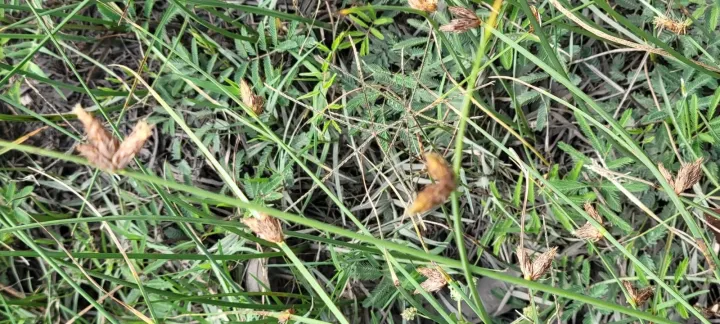
Description
Growing requirements
Schoenoplectiella erecta is an annual herbaceous plant belonging to the Cyperaceae family, often found in tropical wetland environments.
The plant exhibits distinct botanical characteristics, such as slender, erect stems and specific adaptations to water-saturated soil conditions.
Its natural range includes various parts of Africa and Asia, where it thrives in humid habitats, marshes, and periodically flooded fields.
To cultivate or manage this species, it requires consistent water availability, high ambient temperatures, and significant solar radiation throughout the season.
The soil profile should typically be silty or clay-based, rich in minerals and nutrients to support the plant's rapid annual growth cycle.
Main diseases and pests
In agricultural settings, particularly in rice cultivation, this plant is frequently managed as a weed due to its aggressive growth pattern.
Common pests include specialized wetland insects that feed on succulent stems, potentially reducing biomass and affecting reproductive success.
Fungal pathogens represent the primary disease threat, particularly when water levels become stagnant or the plant population density is too high.
Effective management strategies include manual thinning and the application of herbicides designed for aquatic environments to limit competition.
Maintaining proper water circulation within the field serves as a preventative measure to reduce the risk of pathogen accumulation and spread.