
Juncoides bulrush
Schoenoplectiella juncoides
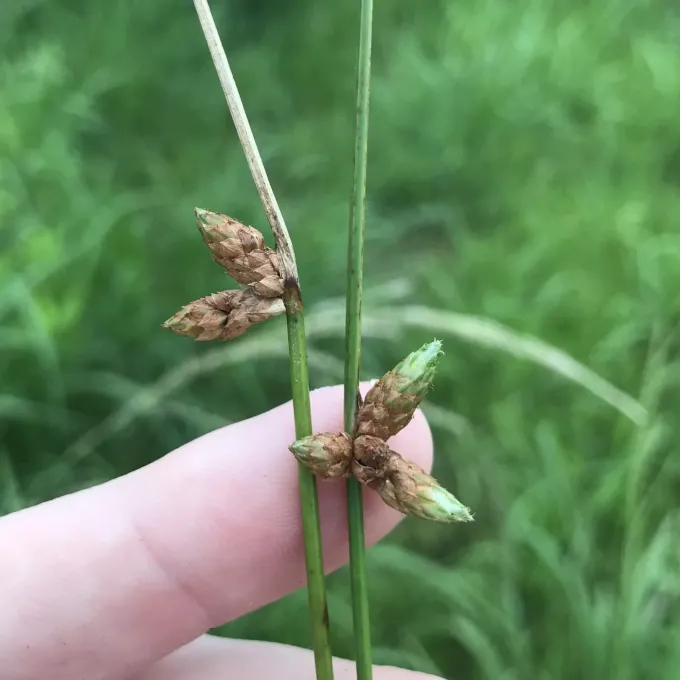
Description
Growing requirements
The Juncoides bulrush (Schoenoplectiella juncoides) is a perennial wetland plant belonging to the Cyperaceae family. It is widely recognized for its physiological adaptation to inundated soils and shallow water environments.
Native to Asia, this species has spread throughout various temperate and tropical zones. Its geographical range is closely associated with rice-growing regions where it often occupies niches in flooded paddies and drainage canals.
Cultivation requires saturated, nutrient-rich, silty soils with consistent water levels. Unlike terrestrial crops, this plant thrives specifically in conditions where roots are permanently submerged, maintaining structural integrity through specialized aerenchyma tissue.
Environmental conditions demand high solar radiation and stable temperatures between 20°C and 30°C for optimal biomass production. The plant is sensitive to significant drops in water level, which can trigger physiological stress and reduced growth rates.
Industrial utilization includes the harvesting of stalks for handicraft materials, ecological restoration projects to mitigate nutrient runoff, and use as forage in specialized semi-aquatic farming systems.
Main diseases and pests
Fungal diseases related to high humidity and poor water circulation are the primary threats to crop health. These pathogens often cause stem discoloration and decay, significantly reducing overall harvest quality.
Pest populations, including rice borers and other specialized insects, can cause substantial damage during the vegetative stage. Integrated Pest Management (IPM) is necessary to keep populations below economic injury levels.
Maintaining clear flow and preventing the accumulation of rotting organic matter in the root zone is the most effective preventative measure against disease outbreaks.
Cultural control methods such as adjusting water depth at specific developmental stages can effectively disrupt the life cycle of many common aquatic pests.
When selecting protective measures, agricultural producers must prioritize eco-friendly agents to maintain the aquatic biodiversity inherent to the cultivation site.