
Schefflera heptaphylla
Schefflera heptaphylla (L.) Frodin
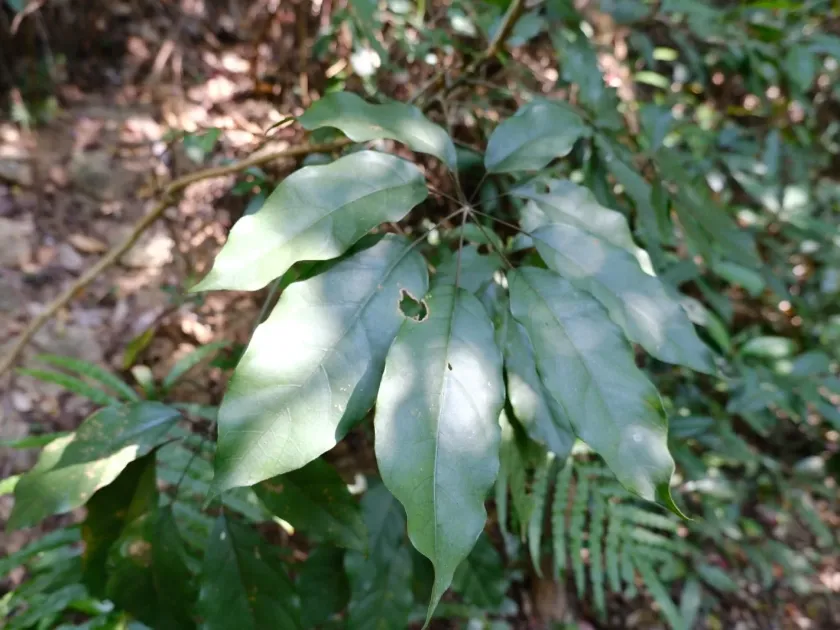
Description
Growing requirements
Schefflera heptaphylla is a prominent member of the Araliaceae family. Native to the subtropical and tropical regions of Asia, it is highly valued for its striking foliage and robust growth habit in suitable environments.
This species thrives in bright, filtered light. While it can adapt to lower light conditions, consistent exposure to indirect sunlight is essential for maintaining the characteristic deep green color and density of the leaves.
The ideal temperature range for this plant is between 18°C and 25°C. It is intolerant of cold drafts and temperatures consistently below 12°C, which can lead to stress and leaf abscission.
For optimal growth, use a well-draining potting medium rich in organic matter. A mixture of peat, perlite, and pine bark is typically recommended to prevent root saturation and ensure adequate aeration.
Maintaining high humidity is crucial, especially in indoor environments with heating systems. Regular misting or the use of pebble trays helps to recreate the tropical conditions necessary for the plant's health.
Main diseases and pests
Spider mites are the most common pests, particularly when indoor air is too dry. These tiny arachnids thrive in stagnant air, necessitating regular inspection of the leaf undersides and occasional washing of the foliage.
Scale insects can attach themselves to the stems and leaves, extracting plant fluids. They often appear as small, brownish bumps and require manual removal or the application of horticultural oils.
Root rot represents the most significant physiological threat, usually caused by overwatering or poor drainage systems. Symptoms include yellowing leaves and a soft, mushy stem base near the soil level.
Fungal leaf spot diseases can occur if water remains on the leaves for extended periods in low-light, poorly ventilated conditions. Prevention focuses on watering at the soil base rather than over the canopy.
Mealybugs are another potential nuisance, appearing as white, cotton-like masses in leaf axils. Effective control involves isolating the plant and applying insecticidal soaps or systemic treatments.