
Schefflera elegantissima
Schefflera elegantissima (hort. Veitch ex Mast.) Lowry & Frodin
Description
Growing requirements
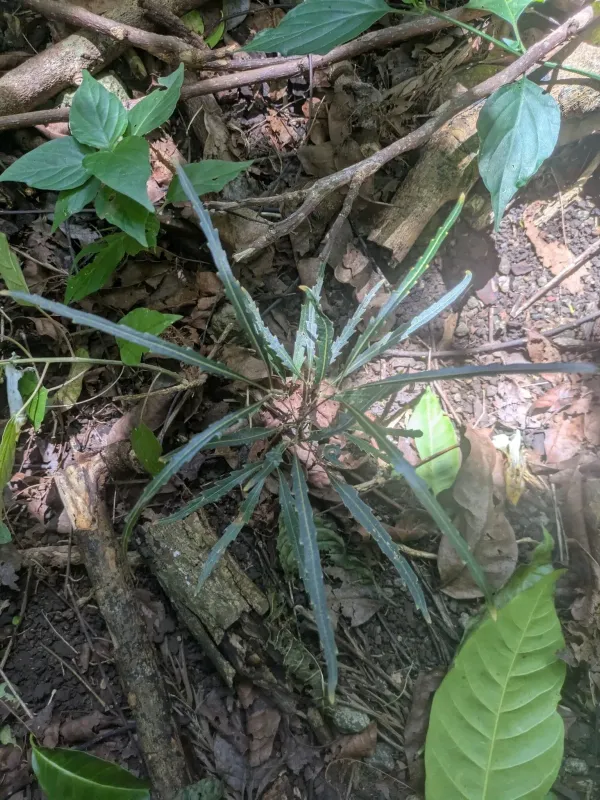
Schefflera elegantissima, formerly known as Dizygotheca elegantissima, is a member of the Araliaceae family. Originating from the tropical forests of New Caledonia, this species is highly valued for its dark, serrated leaflets that transition from a copper-red hue when young to a deep green as they mature.
The plant thrives in bright, indirect light. Direct sunlight is detrimental to its foliage, often causing scorching, while low light conditions lead to leggy growth and leaf drop. Optimal temperature ranges between +18 °C and +24 °C; avoiding sudden thermal shocks is crucial for survival.
Soil requirements involve a well-draining, nutrient-rich potting medium. A mixture of peat moss, perlite, and bark is generally recommended to ensure adequate aeration around the root system. Proper drainage is essential to prevent water stagnation in the container.
Cultivation practices focus on consistent watering when the top layer of the soil feels dry. During the dormant winter season, irrigation should be significantly reduced. Fertilization is necessary during the active growing cycle using balanced water-soluble fertilizers applied at half-strength.
Humidity management is a vital aspect of Schefflera care. Given its tropical origins, the plant benefits from regular misting or the use of pebble trays to increase ambient moisture levels, which helps maintain the vibrancy of its delicate foliage.
Main diseases and pests
Typical pests affecting this crop include spider mites, mealybugs, and scale insects. These pests often proliferate in indoor environments with low humidity levels. Regular inspection of the undersides of the leaves is advised to catch infestations before they cause significant damage.
Root rot, caused by excessive soil moisture and poor drainage, is the most common physiological disorder. Ensuring that the substrate is not waterlogged and that the pot has sufficient holes is the primary defense against soil-borne pathogens and fungal infections.