
Saurauia tristyla
Saurauia tristyla
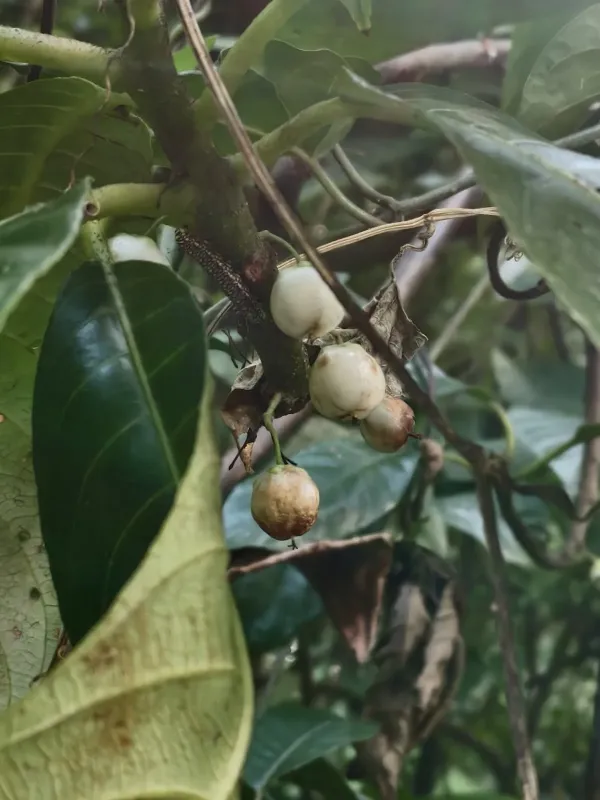
Description
Growing requirements
Saurauia tristyla is a perennial evergreen tree or shrub belonging to the Actinidiaceae family. It is native to the tropical forests of Southeast Asia, thriving in regions with high precipitation and consistent temperatures throughout the year.
The plant grows best in nutrient-rich, well-drained soils with slightly acidic pH levels. It is highly sensitive to waterlogging, so soil structure must allow for efficient drainage while maintaining adequate moisture for the root system to remain healthy.
In its natural habitat, Saurauia tristyla usually grows in the understory of forests or on the edges of woodlands. Consequently, it requires dappled shade and protection from the intense, direct sun, which can cause leaf desiccation and stunted growth in young saplings.
Climatic requirements demand an environment where air humidity remains high, as the plant is not drought-tolerant. Irrigation protocols must be carefully managed to prevent soil drying, particularly during the critical developmental stages of the inflorescences.
Botanically, the plant is recognized by its simple, alternate leaves with finely serrated margins and small, delicate flowers. The fruit is a fleshy berry, which plays a vital ecological role by providing a food source for local fauna, thus aiding in seed dispersal.
Harvesting
The primary agricultural interest in Saurauia tristyla lies in its edible berries. The fruit is harvested primarily for local consumption, as it is valued for its mild, acidic-sweet flavor and soft texture when fully ripe.
Harvesting is typically done by hand, targeting only the softest berries that have reached maturity. Because the fruit is highly perishable, it is rarely transported over long distances, which limits its market availability to local trade and regional farm markets.
Beyond its culinary utility, the plant is sometimes utilized in traditional practices. Various parts of the tree, including the bark and leaves, may be used for their perceived medicinal properties, though these uses remain largely rooted in indigenous traditional knowledge.
For potential commercial development, the focus is on optimizing orchard conditions to increase fruit size and regularity of production. Pruning and regular soil enrichment are essential agronomic practices for maintaining tree health and improving overall yields.
Despite its limited commercial scale, Saurauia tristyla represents a valuable genetic resource within the Actinidiaceae family. Future breeding programs could potentially improve shelf life, making the fruit more viable for a broader market reach.