
Saurauia punduana
Saurauia punduana
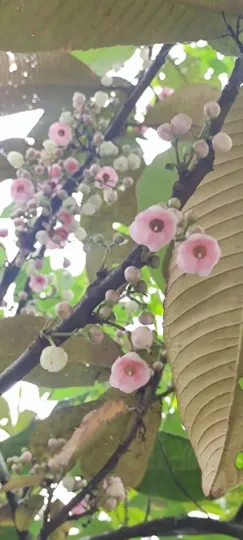
Description
Growing requirements
Saurauia punduana is an evergreen woody plant belonging to the Actinidiaceae family. It is native to the montane tropical forests of Southern and Southeast Asia, where it thrives in specific high-altitude ecological niches.
The plant requires a stable tropical climate characterized by high atmospheric humidity and moderate temperatures throughout the year. It prefers sheltered locations with dappled shade, avoiding exposure to intense direct sunlight.
Soil requirements focus on fertility and drainage. The plant performs best in loose, organic-rich substrates that allow for aeration of the root system while retaining sufficient moisture for consistent growth.
Agrotechnical management includes consistent irrigation to maintain soil moisture without allowing waterlogging. In controlled environments, such as greenhouses, precise humidity control is essential for preventing leaf desiccation.
Due to its ecological specialization, the plant is relatively sensitive to environmental changes. Successful cultivation relies on mimicking the natural forest floor conditions, often requiring specialized care in non-native climates.
Yield
The fruits of Saurauia punduana are edible and utilized in local food systems within its native range. While not a commercial staple, they provide nutrition and unique flavor profiles that are locally appreciated.
The species holds potential for phytochemical research. Various plant parts have been investigated for their bioactive properties, including antioxidants, which suggests future opportunities in the pharmaceutical industry.
Commercial yields remain undocumented as the plant is not currently cultivated on a large industrial scale. Production is primarily limited to small-scale foraging or botanical research collections.
Harvesting typically coincides with the natural ripening cycle of the tree. The lack of standardized harvesting technologies means that collection remains labor-intensive and dependent on seasonal environmental cues.
Future development of the species as a crop may depend on selective breeding to improve uniformity in growth, disease resistance, and fruit production quality under managed conditions.