
Saurauia roxburghii
Saurauia roxburghii
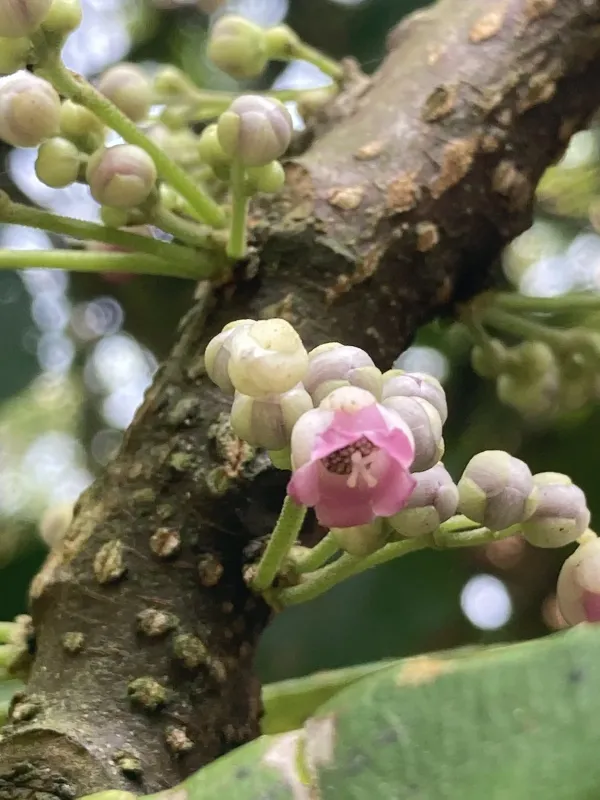
Description
Growing requirements
Saurauia roxburghii is an evergreen tree belonging to the Actinidiaceae family, known for its significant role in the biodiversity of Southeast Asian tropical forests.
Native to regions including India, Bangladesh, and Myanmar, the plant thrives in humid conditions and can grow quite tall in its natural forest habitat.
The cultivation of this species requires well-drained, nutrient-rich soil with consistent moisture levels throughout the growing season to ensure optimal plant health.
Saurauia roxburghii prefers warm temperatures and moderate shade, mimicking the conditions of the lower forest canopy where it naturally occurs.
Agrotechnical management involves maintaining high atmospheric humidity and providing protection from intense winds that can damage the plant's expansive foliage.
Yield
The primary economic and household use of the plant is its fruit, which provides a sweet and tangy flavor and is often consumed raw by local communities.
Research suggests that the plant contains various bioactive compounds, leading to its traditional medicinal use in treating minor ailments and promoting health.
As a fruit crop, it offers nutritional value due to its vitamin profile, although it is not currently farmed on a massive industrial scale.
Its potential for broader agricultural cultivation is being explored by those interested in diversifying exotic fruit supplies in tropical regions.
Productivity is highly dependent on effective pollination and the maintenance of a stable environment that supports the tree's physiological needs.
Main diseases and pests
Fungal diseases, especially those thriving in high-humidity tropical environments, pose the most significant risk to the health of Saurauia roxburghii plantations.
Pests such as aphids, scale insects, and various beetle larvae can cause damage to leaves and stems, requiring proactive management strategies.
- Regular inspection of the underside of leaves for early pest detection.
- Pruning to improve air circulation and prevent moisture accumulation.
- Implementing integrated pest management to minimize chemical usage.
- Ensuring soil drainage to prevent fungal root infections.
- Applying bio-controls to manage insect populations naturally.
Harvesting
Harvesting is performed manually by carefully gathering the ripe fruits from the branches as soon as they reach their peak softness and color.
Post-harvest handling is critical, as the fruits are perishable and require immediate consumption or processing shortly after they have been picked.