
Saurauia napaulensis
Saurauia napaulensis
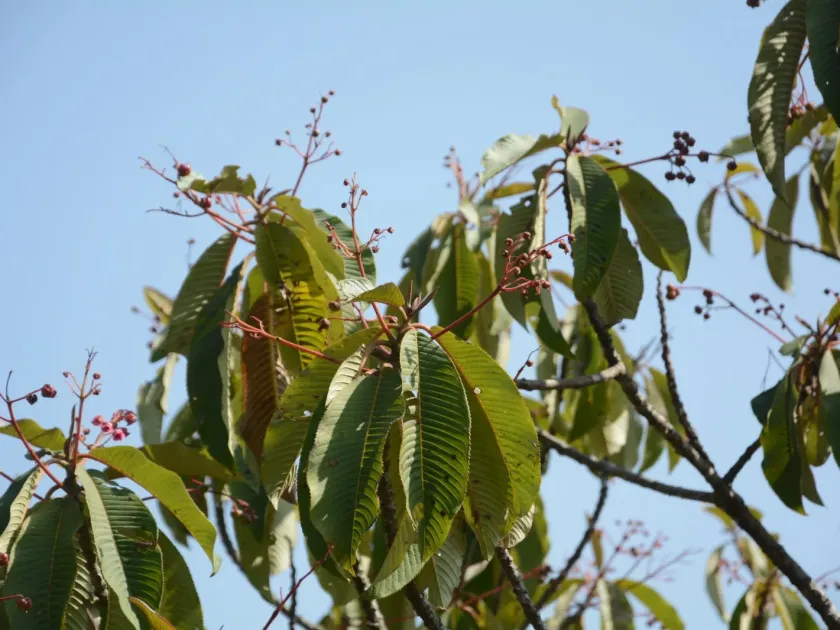
Description
Sowing dates
Saurauia napaulensis is typically propagated from seeds which often require a stratification period to break dormancy and ensure uniform germination.
The optimal time for sowing is during the early spring months when soil temperatures remain stable and frost risks have completely subsided.
Seeds should be sown in a well-draining, nutrient-rich substrate while maintaining consistent humidity to support the development of young seedlings.
Seedlings are usually grown in nursery containers until they reach a height of at least 30-40 centimeters to ensure better survival rates after transplanting.
Vegetative propagation via semi-hardwood cuttings is possible but requires high humidity and rooting hormones to encourage the successful development of a root system.
Growing requirements
As a member of the Actinidiaceae family, this species thrives in humid, subtropical climates with moderate temperatures and consistent rainfall.
The plant prefers fertile, well-draining soils with a slightly acidic to neutral pH, which is crucial for optimal nutrient uptake and root health.
Saurauia napaulensis performs best in partial shade, mimicking the filtered light found in its natural habitat at the edges of mountain forests.
Regular irrigation is vital, as the plant is highly sensitive to drought; soil moisture should be monitored closely, especially during the peak growing season.
Protection from cold winds and extreme temperature fluctuations is necessary to maintain the health and structural integrity of the evergreen foliage.
Yield
The fruit of Saurauia napaulensis consists of small, juicy berries that are cherished for their unique taste in the plant's native regions.
Mature trees can produce substantial yields annually, provided they are situated in an environment with sufficient light and adequate water supply.
Harvesting is typically done over an extended period because the fruits ripen non-uniformly, requiring frequent manual inspection of the tree canopy.
The yield is often consumed fresh, reflecting its importance in local diets, although some culinary applications include using the fruit in jams or desserts.
Maximizing yield requires healthy pollination, so ensuring a pollinator-friendly environment around the planting site can significantly improve fruit sets.
Main diseases and pests
High humidity and poor air circulation within the canopy are the primary conditions that facilitate the development of various fungal diseases.
Root rot remains a major concern, often caused by waterlogging, which necessitates excellent drainage to prevent the decay of the root system.
Common pests such as aphids and mites may affect the plant, particularly if the specimen is stressed by improper environmental conditions or poor care.
Regular pruning is an essential management practice, as it opens up the crown to improve airflow and reduces the likelihood of pest and disease outbreaks.
Integrated pest management, focusing on biological controls, is recommended to keep the tree healthy without contaminating the edible fruit crop.
Harvesting
Harvesting must be performed with great care because the ripe fruits possess a very delicate skin and are highly prone to bruising during collection.
Early morning harvests are preferred to ensure that the fruit retains its firmness and moisture, which helps in extending its short shelf life.
Fruits should be handled with care and transported in shallow containers to prevent stacking damage, as they are susceptible to rapid degradation.
Given the short post-harvest life of the berries, they must be processed or consumed quickly to avoid fermentation and spoilage of the harvested batch.
Managing the tree's height through canopy control makes the harvesting process more efficient and reduces the physical stress on both the tree and the fruit.