
Saurauia armata
Saurauia armata
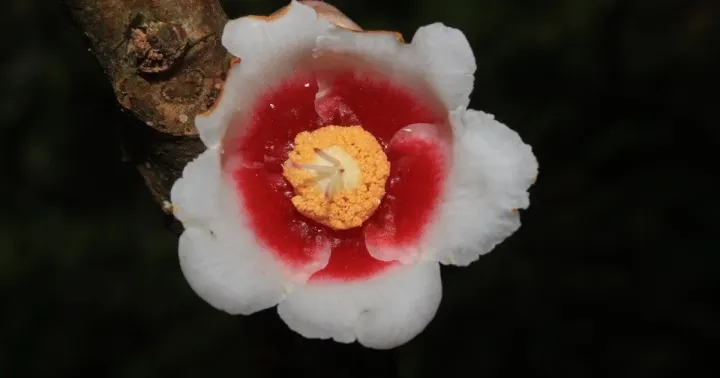
Description
Growing requirements
Saurauia armata is a perennial plant belonging to the Actinidiaceae family. Native to tropical forest ecosystems, this species requires high humidity and a consistent environment to thrive as a cultivated plant.
The plant prefers nutrient-rich, well-draining soil with a slightly acidic pH. It is crucial to prevent waterlogging, as the root system is highly sensitive to hypoxia, yet it demands constant moisture to maintain the metabolic rate of the leaves.
Climate requirements include tropical or subtropical conditions with temperatures ranging from 20 to 28 degrees Celsius. Protection from direct sunlight is essential, as the species naturally develops in the understory of dense forests.
Botanically, Saurauia armata is characterized by its heavily armed stems and petioles, covered in sharp, stiff trichomes or prickles. This makes the plant distinct in appearance and requires careful handling during any manual intervention.
The morphology of the leaves is typically leathery and robust, supporting high transpiration rates typical of tropical vegetation. Adequate air circulation is needed in greenhouse settings to avoid fungal infections in the dense canopy.
Harvesting
Harvesting Saurauia armata involves collecting the small, succulent berries produced by the plant. These fruits are generally harvested by hand when they reach optimal maturity, indicated by a slight change in peel firmness.
Due to the defensive armaments (spines) covering the branches, harvesters must wear heavy-duty protective gloves. Extreme care is necessary to avoid injury during the manual harvesting process of this tropical crop.
The post-harvest shelf life of the fruits is very short due to their high water content and delicate skin. Immediate processing or rapid cooling is recommended to preserve the quality and nutritional value of the harvest.
Potential uses for the fruit include fresh consumption or processing into specialized food ingredients. The seeds are small and numerous, often incorporated into the pulp, providing a specific texture characteristic of the Actinidiaceae family.
Quality control during harvest involves inspecting the berries for bruising or mechanical damage. Only intact, fully ripened fruits are selected for market, as damaged specimens spoil rapidly and contaminate the rest of the batch.