
Saurauia fasciculata
Saurauia fasciculata
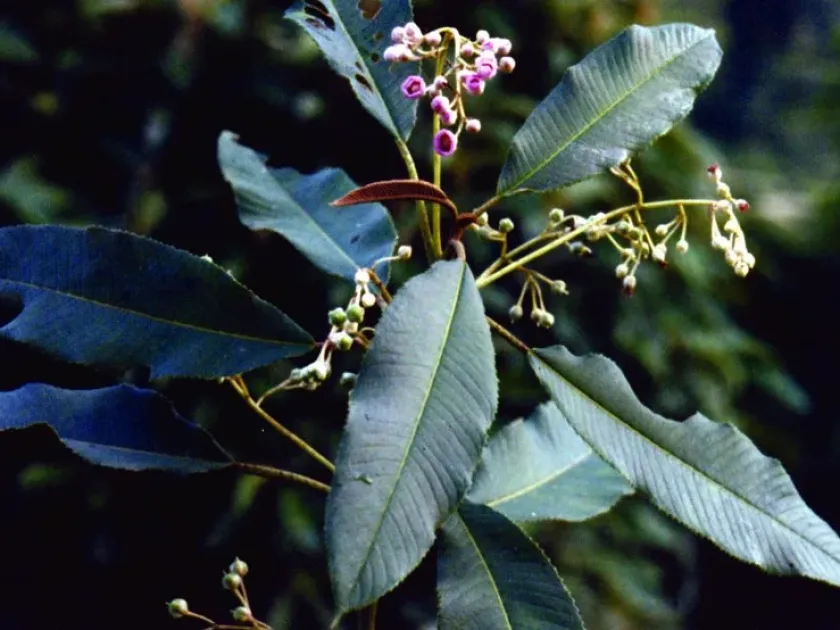
Description
Growing requirements
Saurauia fasciculata belongs to the Actinidiaceae family and is native to the humid tropical forests of Asia. The plant is characterized by its woody structure and its specialized adaptation to high-humidity environments found in forest understories.
Success in cultivation requires a focus on soil quality. The ideal substrate is nutrient-rich, acidic, and possesses excellent drainage capabilities. Due to its tropical origins, the plant cannot tolerate waterlogging, which often leads to rapid root system decay.
Light management is a critical factor for the healthy development of Saurauia fasciculata. It performs best in partial shade, mimicking the natural filtered sunlight of the canopy. Exposure to intense, direct sun can lead to leaf scorching and physiological stress.
Climate conditions must remain consistent throughout the growing season. The plant thrives at temperatures between 22 and 28 degrees Celsius. Any significant drop in temperature or exposure to cold drafts can cause leaf drop and inhibit overall growth rates.
Proper agronomic practices include systematic irrigation and organic fertilization to support biomass accumulation. Regular maintenance of the soil structure through organic mulching is recommended to ensure consistent moisture levels around the root zone.
Main diseases and pests
The primary threats to Saurauia fasciculata include fungal pathogens that exploit high-humidity environments with stagnant air. Root rot is a common issue when irrigation protocols are not strictly managed or if soil drainage is insufficient.
Insect pests often include spider mites, which flourish in warmer climates, and scale insects that cluster on the stems and leaf undersides. Vigilant monitoring and early detection are essential to prevent heavy infestations.
Nematode infestations can severely compromise the root health, leading to stunted growth. The use of sterilized growing media and crop rotation strategies is vital for mitigating soil-borne disease risks in agricultural environments.
Foliar diseases such as leaf spots can emerge if the canopy becomes too dense, reducing airflow. Pruning and thinning are necessary to allow light and air to reach all parts of the plant, thereby reducing pathogen incubation periods.
Implementation of integrated pest management (IPM) practices provides the most sustainable defense against these threats. By prioritizing plant vigor through balanced nutrition and environmental controls, the need for chemical intervention is minimized.