
Sanguisorba tenuifolia
Sanguisorba tenuifolia Fisch. ex Link
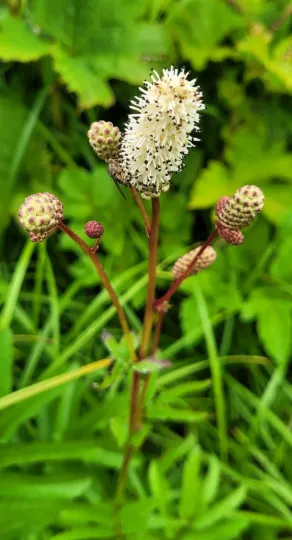
Description
Sowing dates
Sowing Sanguisorba tenuifolia is best achieved through autumn seeding directly into the prepared garden beds. Natural stratification during the winter months enhances germination rates significantly when temperatures rise in spring.
If sowing in the spring, seeds must be subjected to a cold stratification period for 4–6 weeks at temperatures between 2°C and 5°C. Without this step, germination will be irregular and slow, resulting in uneven plant growth.
Plant the seeds at a shallow depth of approximately 1 to 1.5 centimeters. Ensure the soil is fine-textured and free of debris to allow the delicate root systems of the young seedlings to establish themselves successfully.
Spacing is a crucial factor for this species, as it produces wide clumps. Keep rows at least 40–50 centimeters apart, and leave roughly 30–40 centimeters between individual plants to ensure proper aeration.
Keep the seedbed consistently moist but not waterlogged until germination is complete. Once the seedlings have reached the three-leaf stage, thinning may be necessary to ensure the strongest specimens have space to thrive.
Growing requirements
Sanguisorba tenuifolia, commonly known as slender burnet, belongs to the Rosaceae family. It is a tall, elegant perennial native to East Asian regions, including Japan, Korea, and the Russian Far East.
The plant thrives in full sun but tolerates partial shade, especially in hotter climates. It is best suited for deep, moisture-retentive, and fertile soils that provide steady nutrition throughout the growing season.
Soil structure should ideally be loamy with a neutral to slightly acidic pH level. While it prefers moist soil, it must have adequate drainage to prevent root rot, particularly during the wet early spring months.
As a robust perennial, it is highly winter-hardy and can withstand significant frosts without specific winter protection. Its architectural flower spikes provide late-season interest, making it valuable in landscape design.
Regular maintenance involves removing faded flower stalks after the blooming period ends. This prevents self-seeding if not desired and encourages the plant to direct its energy into root development for the following year.
Main diseases and pests
Powdery mildew is the most common fungal issue for this species, especially when plants are grown in crowded conditions with limited airflow. Maintaining proper spacing is a primary defense against this pathogen.
Pests like aphids and spider mites can occasionally affect the foliage, particularly during dry, warm spells. Early detection through regular visual inspections allows for effective organic or chemical control measures.
Root rot is often the result of poor drainage or overwatering. If the planting site is prone to water accumulation, improving the soil with grit or organic matter is essential for long-term health.
Slugs and snails can cause damage to young shoots in early spring. Protecting young plants with physical barriers or targeted bait is often necessary in damp, sheltered gardens to ensure they reach maturity.
To keep the plants healthy, remove any debris or dead foliage at the end of the season. This hygiene practice reduces the risk of overwintering pathogens that could emerge in the spring to attack new growth.