
Hybrid Burnet
Sanguisorba hybrida (L.) Nordborg
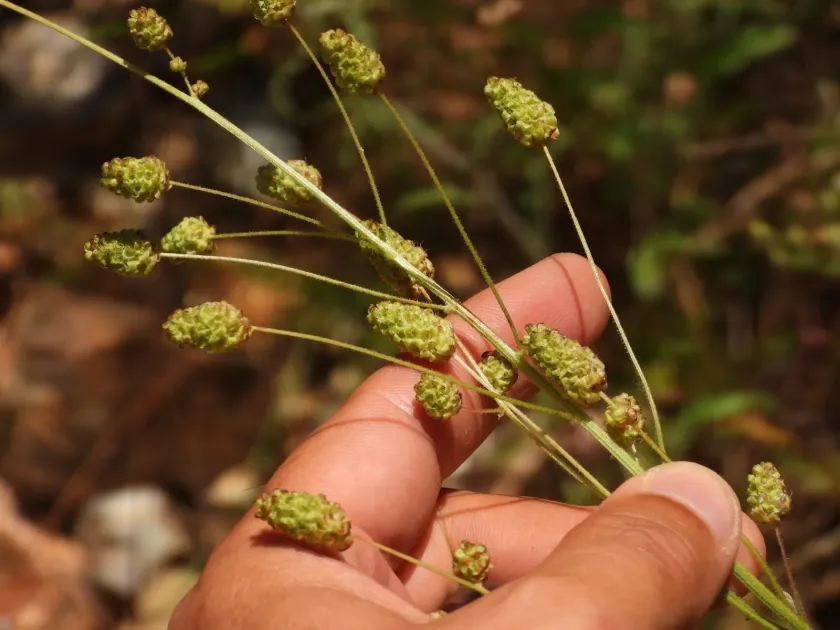
Description
Sowing dates
Sowing of hybrid burnet is typically carried out in late autumn or early spring, ensuring that the soil is sufficiently prepared for small seeds.
Seed stratification for several weeks at low temperatures significantly improves germination rates and helps achieve a uniform crop stand.
Recommended row spacing is 45–60 centimeters, providing enough room for mechanical weeding and proper air circulation between plants.
Seeds should be planted at a shallow depth of approximately 1–2 centimeters, as deeper burial may prevent the emergence of seedlings.
Maintaining consistent soil moisture during the initial germination stage is critical for establishing a healthy population of this perennial crop.
Growing requirements
Hybrid burnet belongs to the Rosaceae family and is known for its robust perennial growth habit and strong, deep-reaching root system.
The plant thrives in full sun but demonstrates excellent tolerance for partial shade, making it adaptable to various site conditions.
It prefers well-drained loamy or sandy-loam soils with a neutral pH, although it can adapt to a range of soil types if drainage is adequate.
The crop is highly resilient to temperature fluctuations and demonstrates significant winter hardiness, making it suitable for cold climate agriculture.
Proper field maintenance includes ensuring the site is free from waterlogging, which is essential to prevent root diseases during the spring thaw.
Yield
The primary economic focus of hybrid burnet cultivation is the harvesting of roots, which are highly valued for their bioactive compounds.
Optimal root development is reached by the second or third year of growth, providing a steady and high-quality yield for commercial purposes.
Yield efficiency is significantly improved by proper field preparation, adequate nutrient availability, and effective control of competing weeds.
Above-ground biomass may also be utilized in livestock management as a forage supplement, contributing to the overall farm efficiency.
Strategic fertilization with phosphorus and potassium fertilizers promotes vigorous root growth and contributes to a more reliable harvest weight.
Main diseases and pests
Planting density must be carefully managed, as overcrowding creates high humidity levels that favor the development of powdery mildew.
Aphids can occasionally attack the tender stems during the early growth season, requiring timely scouting and integrated pest management interventions.
Root rot is a potential risk if the soil remains excessively wet; thus, selecting well-drained fields is the primary preventative measure.
Regular weed control is essential not only for resource competition but also to reduce the harboring of pathogens that could infect the crop.
Using certified seed stock and maintaining healthy spacing are the most effective ways to keep the plantation free from common diseases.
Harvesting
Harvesting usually takes place in late autumn after the foliage has matured and the nutritional content has shifted into the root system.
Mechanical harvesting using custom plow attachments is the standard method for extracting roots efficiently while preserving their integrity.
Post-harvest processing involves immediate washing to remove soil residues and trimming any remaining aerial parts to prepare the roots for drying.
Roots should be dried in specialized sheds or controlled-temperature dryers at a moderate heat level, typically below 50 degrees Celsius.
Properly cured and stored products remain shelf-stable for long periods if kept in a dry, ventilated environment away from direct sunlight.