
Great burnet
Sanguisorba officinalis L.
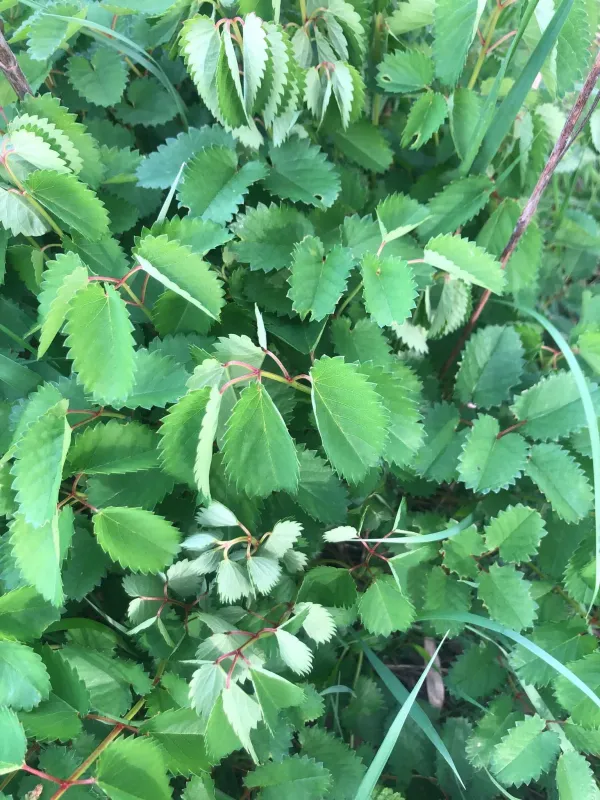
Description
Sowing dates
Sowing of Great burnet seeds is typically performed in late autumn or early spring. Autumn sowing is often preferred in agricultural practice as it allows for natural stratification during the winter months, improving seed germination rates.
For spring sowing, seeds must undergo artificial cold stratification for 1–2 months at temperatures near freezing to break dormancy. This is essential for achieving a uniform stand of plants in the field.
Seeds are sown in rows spaced 45–60 cm apart. This spacing is specifically designed to accommodate mechanical weeding and inter-row cultivation equipment, which are necessary to control competitive weeds.
The optimal sowing depth is 1 to 2 cm. Maintaining consistent soil moisture immediately after sowing is critical for seedling establishment, as the seeds are relatively small and susceptible to desiccation.
Great burnet is a slow-growing plant during its first year of life, primarily focusing on root system development. Agronomic focus should be on keeping the rows free of weeds to ensure the plant establishes properly.
Growing requirements
Great burnet belongs to the Rosaceae family and is a perennial herb characterized by a woody rhizome. It exhibits excellent winter hardiness, making it suitable for cultivation in temperate climates.
The plant thrives in fertile, moist, and well-drained soils. Loamy or sandy-loam soils with a neutral or slightly acidic pH are ideal for high biomass production and healthy root development.
Although it is a light-loving plant, it requires consistent moisture. It is particularly sensitive to prolonged drought, which can significantly inhibit its growth and lower the concentrations of active medicinal compounds.
Agricultural management includes regular fertilization with phosphorus and potassium, which are essential for rhizome development. Organic fertilizers, such as well-rotted compost, are also beneficial for soil structure.
Proper field selection is important, as the plant prefers open areas with good air circulation but protection from extremely harsh, drying winds that can cause early leaf senescence.
Yield
The primary economic value of Great burnet lies in its rhizomes, which are harvested for the pharmaceutical and nutraceutical industries. These parts are rich in tannins, saponins, and various vitamins.
Yields of dried rhizomes typically range from 1.5 to 3 metric tons per hectare under optimal agronomic conditions. The highest quality and yield are achieved when plants are harvested at 3–4 years of age.
Beyond the rhizomes, the aerial parts of the plant may occasionally be harvested during the flowering stage for use in herbal extracts or as specialized animal feed supplements.
Yield stability relies heavily on the maintenance of plant density and the prevention of competition. Consistent weeding during the first two years of growth is the most critical factor for economic success.
Once established, a commercial plantation can remain productive for several years, providing a consistent source of raw material for the harvest seasons that follow.
Main diseases and pests
Great burnet is generally robust and resistant to many standard agricultural pests. However, high-density plantings or fields with poor drainage are susceptible to fungal diseases such as leaf spots and rust.
To mitigate disease risks, it is essential to maintain good field sanitation and ensure proper spacing between plants to encourage airflow. This reduces the time the leaves remain wet after precipitation.
Pests like aphids and leaf-eating beetles may occasionally cause damage. Monitoring is necessary, and integrated pest management (IPM) strategies should be employed to control infestations without compromising the medicinal quality.
Root rot is a potential threat in waterlogged fields. Improving soil drainage through subsoiling or raised beds is the most effective preventative measure against root-related pathogens.
Since the crop is intended for medicinal use, the application of chemical pesticides should be strictly minimized or avoided, prioritizing cultural and biological controls instead.
Harvesting
The harvest of rhizomes is carried out in the autumn after the aerial parts have withered, or early in the spring before the new spring growth begins. This ensures the maximum accumulation of bioactive compounds.
Mechanical harvesting is common, using tractor-drawn implements to lift the rhizomes from the soil. The harvested material is then thoroughly washed to remove all soil and organic debris.
Drying must be performed carefully in temperature-controlled facilities, ideally between 40–50 degrees Celsius. High-heat drying can degrade the tannins and other heat-sensitive constituents.
Once dried to a moisture content of approximately 13%, the material is packed into breathable storage containers. Storage must occur in cool, dry conditions to prevent mold and loss of quality.
Quality control standards focus on the color and density of the rhizomes, as well as the quantitative analysis of tannins, which serve as the main indicator of therapeutic efficacy.