
Pygmy arrowhead
Sagittaria pygmaea Miq.
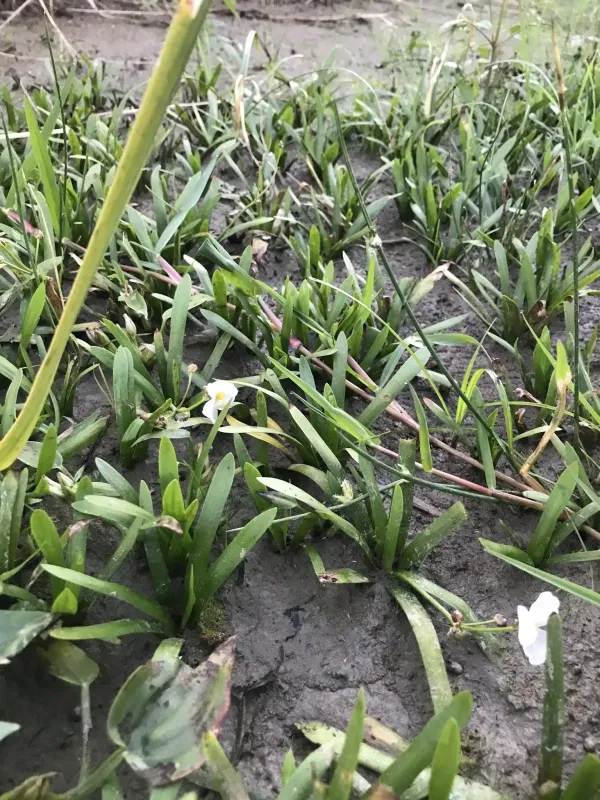
Description
Sowing dates
Pygmy arrowhead (Sagittaria pygmaea Miq.) is a member of the Alismataceae family. It is a perennial herbaceous plant typically found in wetlands and shallow water systems throughout East Asia.
Agricultural propagation is primarily vegetative. It involves planting stolon segments or small daughter tubers into soft, silty substrates to establish a productive patch of the crop.
The optimal planting window occurs during the spring when water and soil temperatures stabilize between 15°C and 20°C. This promotes rapid root establishment and ensures the plant starts its vegetative cycle under favorable conditions.
Spacing during planting is essential for maximizing yield. Plants are usually placed in rows to allow for easier management and to prevent overcrowding, which can reduce tuber size and nutrient availability.
After planting, maintaining a consistent water level is crucial. The substrate must remain saturated, and the water level should be adjusted as the plants grow to support their development.
Growing requirements
This species is a hygrophyte that thrives in shallow water. It requires a water depth of approximately 5 to 20 centimeters, which provides the necessary hydration and temperature stability for the plant.
The soil should be nutrient-rich, preferably a mix of silt and clay. A neutral pH range (6.0–7.5) is ideal, mirroring the conditions found in traditional paddy field ecosystems.
Sunlight is a key factor for the formation of starchy tubers. Pygmy arrowhead requires significant exposure to light, as shading from taller plants or debris can inhibit growth and lead to lower yields.
A temperature range of 20°C to 30°C is preferred during the active growth phase. While the plant is hardy, it enters dormancy when temperatures drop below 10°C, and prolonged cold can negatively affect its cycle.
Water quality management is a critical part of the plant's agronomy. Excessive algal growth must be controlled to ensure that oxygen levels remain adequate and light penetration is not obstructed.
Yield
The primary agricultural product is the small tuber formed at the end of the plant's stolons. These tubers are harvested at the end of the growing season after the foliage has naturally begun to yellow.
In optimal conditions, the yield is consistent. The starch-rich tubers are highly valued in various culinary traditions in Asia, often served as a vegetable or a key ingredient in specialty dishes.
The harvesting process involves draining the field or pond and carefully extracting the tubers from the mud. Mechanical harvesters can be used, but manual extraction is common for smaller, high-value plots to prevent damage to the skin.
Post-harvest handling requires gentle washing to remove soil. The tubers should be stored in cool, humid environments to preserve their texture and prevent dehydration or sprouting.
Yield improvement strategies often focus on soil fertility management. Incorporating organic matter into the substrate before the planting season can significantly increase the size and number of tubers per plant.
Main diseases and pests
The most significant threats to pygmy arrowhead are fungal pathogens, particularly those that cause root and tuber rot. These infections thrive in stagnant water with poor drainage or excess organic decay.
Insect pests, such as larvae of aquatic insects and certain beetles, can consume the leaves or damage the stolons, resulting in stunted plants and diminished harvests.
Abiotic factors like sudden changes in water acidity or contamination by agricultural run-off can harm the plants, causing leaves to wither or inhibiting tuber initiation.
Invasive aquatic weeds present a major competitive threat. These plants can quickly overgrow the pygmy arrowhead, outcompeting it for space, nutrients, and sunlight in the aquatic environment.
Management involves a combination of preventative measures, including regular water circulation and crop rotation. If pests appear, biological control agents that are safe for the aquatic ecosystem are recommended.