
Arrowhead
Sagittaria sagittifolia L. subsp. leucopetala (Miq.) Hartog
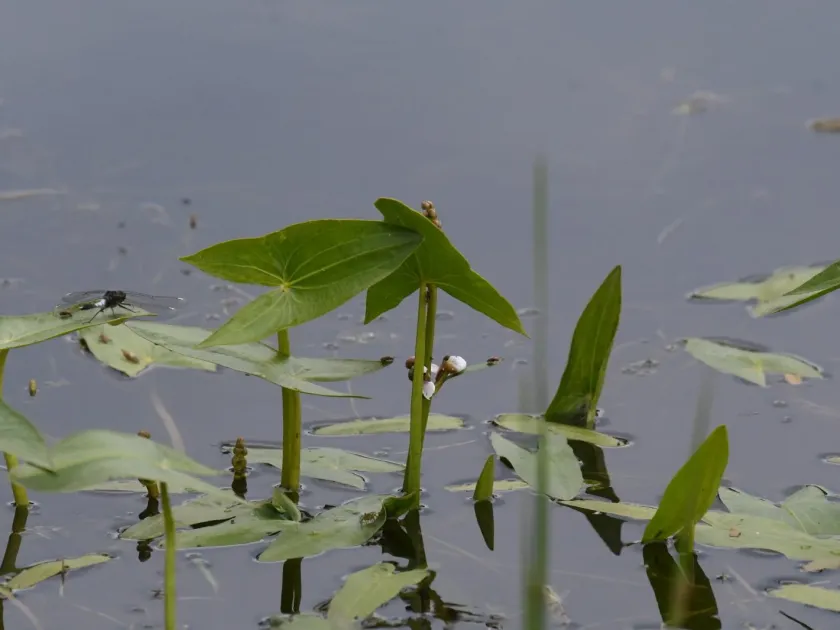
Description
Sowing dates
Arrowhead (Sagittaria sagittifolia L. subsp. leucopetala) is a member of the Alismataceae family. In commercial cultivation, this crop is primarily propagated vegetatively by planting tubers that develop at the tips of underground stolons during the autumn season.
Planting is performed in spring once the water and bottom substrate temperatures reach 12–15 degrees Celsius. The optimal planting window is usually between late April and early May, ensuring a sufficient vegetative period for the plants to mature.
Suitable sites for cultivation include shallow water areas or specially prepared ponds with water depths ranging from 10 to 30 centimeters. Excessive depth slows down plant growth and negatively impacts the formation of marketable tubers.
A planting density of 40x40 or 50x50 centimeters is recommended to provide enough space for root system expansion. Overcrowding can lead to nutrient competition and a decline in overall crop quality.
Careful selection of planting material is crucial; only healthy tubers with well-developed buds should be planted. Removing damaged or diseased specimens before planting helps prevent the spread of infections throughout the field.
Growing requirements
The arrowhead is a classic hygrophyte, requiring constant water presence in the root zone throughout its development cycle. The crop prefers well-lit areas, as shading significantly reduces photosynthetic productivity and slows down plant development.
The most favorable soils for cultivation are silty substrates rich in organic matter, with a neutral to slightly acidic pH. The presence of a fertile bottom layer is essential, as the plant actively absorbs nutrients from the sediment.
Arrowhead is sensitive to water chemistry; high levels of salts or industrial pollutants can adversely affect the growth of underground organs. Flowing or periodically refreshed water systems are generally preferred for optimal growth.
The optimal temperature range for active vegetative growth is 20–28 degrees Celsius. Metabolic processes significantly decline when water temperatures drop below 10 degrees Celsius.
Agronomic management requires consistent water level control: a stable water column should be maintained during the rapid growth phase, while levels may be slightly reduced in the late season to facilitate harvest preparation.
Yield
The economic value of this crop lies in its starch-rich tubers, which serve as the primary product. Yield depends heavily on substrate quality, planting density, and the duration of the warm growing season.
Under intensive cultivation conditions, yields can reach 15–20 tons per hectare if agronomic practices are strictly followed. This figure can vary depending on the specific subspecies and environmental conditions.
Product quality is determined by tuber size and pulp density, with marketable units typically weighing between 20 and 50 grams. Balanced mineral fertilization, particularly with phosphorus and potassium, significantly enhances the output of high-quality fractions.
The plant is characterized by a prolonged period of storage tissue accumulation, meaning that yield assessment should only occur after the aerial parts have completely withered.
Utilizing modern water aeration systems in the paddies can further increase productivity by stimulating more active tuber formation and preventing anaerobic decomposition in the soil.
Main diseases and pests
Arrowhead is susceptible to fungal diseases such as leaf rust, which can significantly reduce the photosynthetic surface of the plant. Outbreaks often occur in stagnant water or when planting density is too high.
Pests such as soil-dwelling insect larvae can cause damage to stolons and developing tubers. Regular monitoring of the plantation is necessary to detect infestations early and implement protective measures.
Nematodes residing in the bottom substrate can cause deformation of young tubers, rendering them unsuitable for sale. Crop rotation and the use of clean planting material are the primary methods of preventing such issues.
Aphids can damage the aerial parts of the plant during hot periods by sucking sap from the leaves, which weakens the plant's vitality. If severe, biological control methods safe for the aquatic ecosystem are recommended.
Strict adherence to quarantine protocols when importing planting material from other regions is critical to preventing the introduction of specialized pathogens and pests to the farm.
Harvesting
Harvesting of arrowhead is conducted after the aerial part of the plant has fully died back, signaling that all plastic substances have been translocated to the tubers. This usually occurs in late autumn.
The process involves partially draining the paddies to facilitate mechanical or manual extraction of the tubers from the bottom sediment using specialized digging tools.
Immediately after harvest, tubers must be cleaned of mud and aquatic debris. It is vital to avoid mechanical damage to the tuber skin, as wounds provide entry points for pathogens during storage.
After cleaning, the harvest should be dried in a well-ventilated area at moderate temperatures. This process prevents the development of rot and mold during the subsequent storage period.
Tubers should be kept in cool storage facilities with high humidity, which maintains their freshness and nutritional properties for several months after harvest.