
Soft rush
Juncus effusus L.
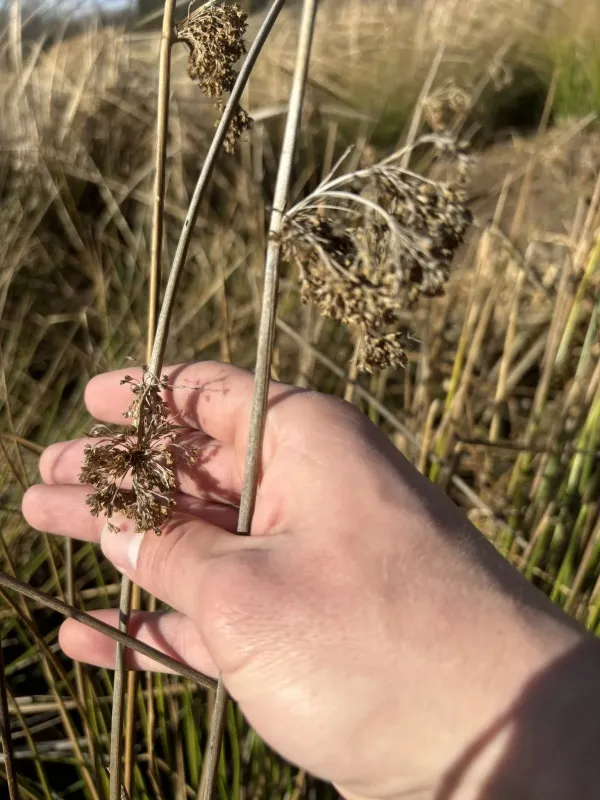
Description
Growing requirements
Soft rush (Juncus effusus L.) is a perennial herbaceous plant belonging to the Juncaceae family. It is widely recognized for its ability to thrive in wetland habitats, wet meadows, and along the margins of ponds, rivers, and drainage ditches.
The plant features smooth, cylindrical, deep green stems that serve as the primary photosynthetic organs, as true leaves are reduced to basal sheaths. The root system consists of strong, creeping rhizomes, allowing it to form dense, spreading clumps in favorable conditions.
Cultivation requires wet to waterlogged soils, as the plant is a natural hydrophyte. It performs best in full sun but can tolerate partial shade, provided the moisture levels remain consistent. It is highly adaptable to various soil pH levels, ranging from acidic to neutral.
In terms of management, the crop is relatively low-maintenance once established. It is frequently utilized in ecological restoration projects, specifically for soil erosion control on slopes and riverbanks due to its deep and binding root system.
Economically, Juncus effusus is valued for its versatility in landscaping, particularly for water gardens and biofiltration systems. Its stems have also been historically harvested for weaving mats, baskets, and for use in traditional artisanal crafts.
Main diseases and pests
Soft rush is generally robust and resistant to most common plant diseases. However, in poorly ventilated or excessively stagnant water conditions, the plant may become susceptible to fungal infections that manifest as leaf spots or stem decay.
Pests are generally not a significant issue for established stands, though slugs and snails can cause cosmetic or structural damage to young shoots during the growing season. In rare cases, aphids may colonize the stems if the plant is under stress.
The best strategy for threat management is maintaining appropriate water circulation and avoiding overcrowded planting patterns. Proper spacing is essential to ensure that light and air can penetrate the clump, preventing the build-up of excess moisture and humidity.
When intervention is required, manual removal of infected parts is recommended over the application of synthetic fungicides, particularly because the plant is commonly found near riparian zones where chemicals could impact aquatic life.
Monitoring for signs of stress is crucial during the early stages of establishment. By keeping the growing area clean of decaying organic debris, growers can effectively reduce the risk of pathogen outbreaks and ensure long-term plant health.