
Soft rush
Juncus effusus L. var. decipiens Buchenau
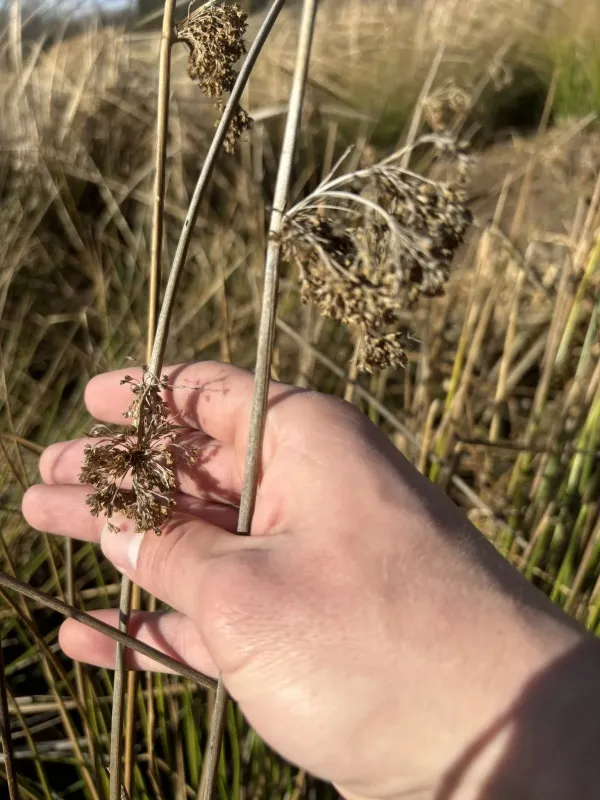
Description
Sowing dates
Soft rush is a perennial herbaceous plant belonging to the Juncaceae family. In agricultural and landscaping practices, the most common method of propagation is vegetative, by dividing the clumps in the spring when soil temperatures reach 10–12 degrees Celsius.
Propagation by seeds is possible but requires specific stratification and high humidity levels. Seeds should be sown in early spring in containers, placed on the surface of the soil, and kept well-lit to ensure successful germination.
When transplanting into the field, a spacing of 30 by 30 centimeters is recommended. This allows for adequate root development and the formation of a dense, healthy mat of stems over time.
The plant shows high transplant survival rates if the root ball remains moist during the transfer. The optimal time for field planting is in May, once the risk of spring frosts has completely passed.
Young plants require consistent irrigation during their first season until they are fully established. It is also crucial to keep the area free from aggressive weeds that could compete for resources during the early growth stages.
Growing requirements
Soft rush has specific moisture requirements and thrives in wet areas, along water bodies, or in heavy soils that retain water well. It is highly tolerant of waterlogged conditions that would kill many other crops.
It prefers acidic to slightly acidic soils rich in organic matter. While it is hardy, the plant may lose its vigor and decorative appeal in dry, sandy soils unless supplemented with regular, intensive irrigation.
This species is light-loving but can tolerate partial shade during the hottest parts of the day. For the best aesthetic results and uniform growth, full sun exposure is the ideal placement.
It is extremely winter-hardy and requires no special protection in temperate climates. The plant naturally goes dormant during the winter and resumes growth as soon as soil temperatures rise in the spring.
Protection from extreme, drying winds is beneficial. In sheltered locations, the plant develops faster and produces more uniform, sturdy stems, which are essential for its harvesting potential.
Yield
The agricultural use of this plant is primarily focused on the production of fibers for weaving and handicrafts. Yield per unit area depends on proper management of water levels and soil fertility.
Mature plantations can provide a high yield of flexible, durable stems. These are harvested as a sustainable raw material for crafting mats, floor coverings, and various eco-friendly packaging materials.
The harvest is typically conducted at the end of the summer or in early autumn. By this time, the stems have reached their peak structural strength, making them ideal for long-term use in finished products.
Maintaining yield on commercial plots is supported by organic fertilization, which encourages vigorous shoot regeneration. Periodic division of the clumps every few years prevents overcrowding and keeps the harvest quality high.
Commercial value is measured by the stem length and flexibility. Soft rush is highly valued for its consistent quality and resistance to mechanical wear, making it a reliable industrial crop in wetland areas.
Main diseases and pests
Soft rush is naturally resistant to most common agricultural pests due to the high silica content and structural toughness of its stems. Insect damage is rarely a significant issue for this species.
Diseases are infrequent but may occur if planting density is too high, leading to poor air circulation. Proper spacing and occasional thinning of the clumps are usually sufficient to prevent fungal outbreaks.
The primary threat to the crop is prolonged drought. While the plant can survive short dry spells, lack of moisture leads to yellowing of the stems and a significant decline in biomass production.
In the early stages, competition from invasive weeds can suppress growth. Maintaining a clean site and monitoring the health of the young plants during the first growing season is vital.
Monitoring the foliage for signs of chlorosis can help identify nutrient deficiencies. If detected, minor soil amendments can quickly correct these issues and restore the plant's health.
Harvesting
Harvesting is performed manually using sharp shears or traditional scythes. Care must be taken to cut the stems cleanly without damaging the root system, which is crucial for future regeneration.
After cutting, the stems are bundled and air-dried in a shaded, well-ventilated space. This process preserves the material's natural color and flexibility, preventing it from becoming brittle.
The best harvest time aligns with the end of the active growing season. At this stage, the stems have accumulated the necessary structural compounds that ensure their durability in final products.
For floral use, harvesting can be done at different stages of maturity. However, for weaving, autumnal harvesting remains the gold standard to ensure the highest quality of fiber.
It is recommended to leave about 5–10 centimeters of stem above the soil level after harvesting. This protects the root crown from winter damage and facilitates rapid growth in the following season.