
Robinia margaretta
Robinia x margaretta Ashe
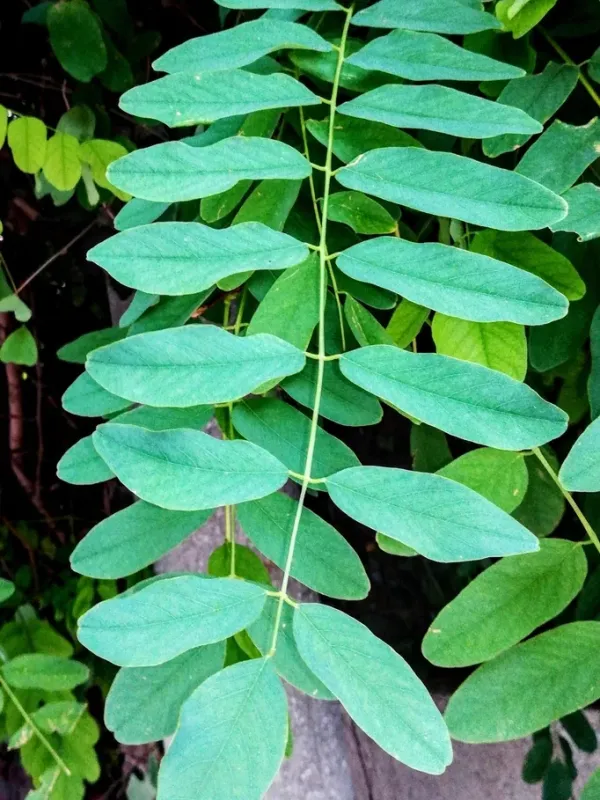
Description
Growing requirements
Robinia margaretta is a hybrid ornamental tree belonging to the Fabaceae family. Known for its attractive pink racemes, it is a popular choice for parks and gardens where a refined, flowering specimen is desired.
The tree requires full sun exposure to thrive and produce its signature flowers. It is adaptable to various soil types, provided that they are well-drained, as it cannot tolerate waterlogged conditions which are detrimental to its roots.
Regarding moisture, while established trees demonstrate moderate drought tolerance, regular watering during the first few years of growth is crucial for establishing a healthy and robust root system.
Agricultural management includes occasional pruning to maintain the desired shape and size. As a legume, it can fix nitrogen in the soil, which helps it perform well in average soils without the need for intensive fertilization.
This culture is primarily utilized in landscape architecture, serving as a beautiful focal point or as part of a hedge. Its aesthetic value and relative ease of maintenance make it a preferred plant for urban environments.
Main diseases and pests
The main threats to Robinia margaretta include powdery mildew and various leaf spot diseases, which typically emerge in environments with high humidity and poor airflow around the foliage.
Pests such as aphids often target new, succulent growth. Monitoring the underside of leaves and tips of branches is a standard practice for maintaining tree health during the spring season.
Borer insects can infest the stems, especially in older or stressed trees. Maintaining overall vigor through proper watering and soil aeration is the best prevention against these wood-boring pests.
Sanitation practices, such as removing fallen leaves and pruning away infected branches, play a key role in reducing the recurrence of fungal diseases in the next growing season.
When chemical treatments are necessary, it is important to follow professional agronomic guidelines to ensure that the application is effective and safe for the surrounding ecosystem.