
Robinia ambigua
Robinia x ambigua Poir.
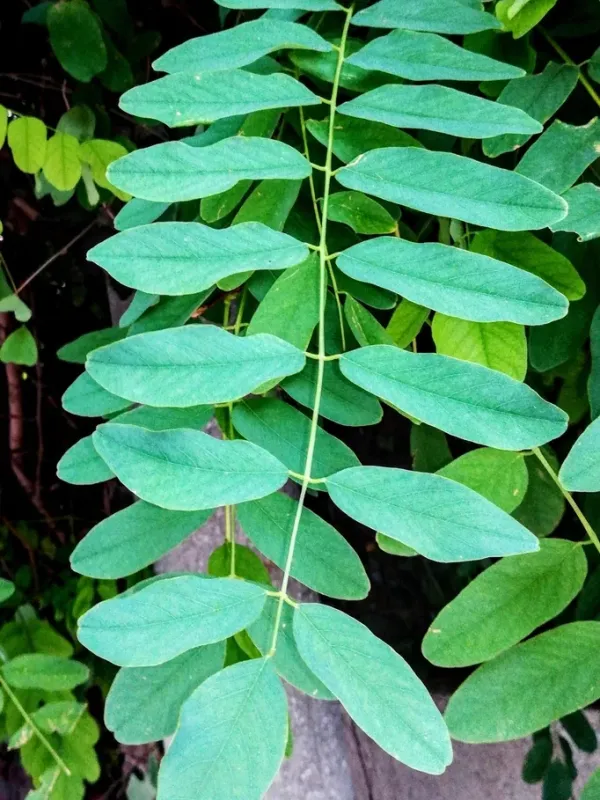
Description
Growing requirements
Robinia x ambigua, commonly known as the hybrid locust, belongs to the Fabaceae family. This ornamental tree is a result of a cross between Robinia pseudoacacia and Robinia viscosa, exhibiting a unique combination of aesthetic and structural traits.
The tree thrives in full sun exposure, which is essential for vigorous growth and abundant flowering. It prefers locations with protection from strong winds, as its branches are susceptible to breaking under intense storm conditions during the active growth phase.
Soil requirements are relatively modest, as the species performs well in well-drained, fertile sandy or loamy soils. It tolerates slightly acidic to neutral pH levels but requires excellent drainage to prevent root hypoxia, which is detrimental to the plant.
Agronomic management involves periodic light pruning to maintain a desirable shape and remove deadwood. During the initial planting stage, consistent irrigation is necessary to establish a robust root system before the tree becomes fully drought-tolerant.
In terms of хозяйственного (economic) use, it is predominantly utilized in landscaping and urban forestry. Its ability to fix atmospheric nitrogen contributes to soil health, making it an excellent candidate for ecological restoration and ornamental park planting.
Main diseases and pests
Common pests include the locust borer and various scales that infest the bark and foliage. Regular inspection of the trunk for boreholes or sap flow is critical for early detection and prevention of extensive wood damage.
Fungal diseases like powdery mildew are common in humid environments with poor air circulation. Improving airflow through selective pruning of the canopy is a recommended cultural practice to mitigate the risk of infection.
Leaf spot pathogens can cause defoliation if left unchecked. Implementing a sanitation program that includes the removal of leaf litter is an effective way to break the disease cycle and improve the overall hygiene of the site.
Root rot caused by Phytophthora species may occur in waterlogged soils. Ensuring that the planting site has adequate slope or artificial drainage will significantly reduce the risk of this severe soil-borne pathogen.
Applying dormant sprays can help manage over-wintering insect populations. Maintaining tree vigor through balanced fertilization and correct watering practices remains the best defense against environmental and biotic stressors.