
Bristly locust
Robinia hispida L.
Description
Growing requirements
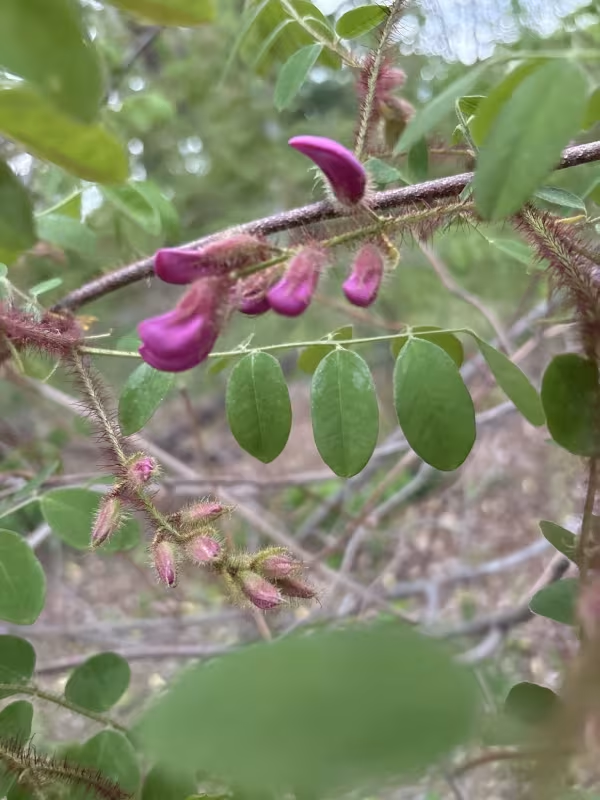
The Bristly locust (Robinia hispida L.) is a deciduous shrub belonging to the Fabaceae family, native to the southeastern United States. It is widely recognized for its vibrant pink-purple flowers that appear in spring and summer, adding significant aesthetic value to landscape designs.
Successful cultivation requires a location with full sunlight to partial shade. The shrub is sensitive to strong winds, which can easily snap its brittle branches, making the selection of a sheltered site essential for the longevity of the plant.
In terms of soil requirements, the Bristly locust is relatively adaptable but prefers well-drained, slightly acidic to neutral soils. It struggles in waterlogged ground, so providing a layer of gravel or sand during planting is recommended to ensure proper root aeration.
Agricultural management involves regular pruning immediately after the flowering season. This practice not only maintains the desired size and shape of the shrub but also encourages vigorous growth for the following year's blooms.
Beyond its ornamental use, the Bristly locust plays a role in soil stabilization due to its spreading root system. It is also valued as a nectar source, supporting local pollinator populations, which enhances biodiversity in agricultural and garden settings.
Main diseases and pests
Fungal issues such as leaf spot and powdery mildew are common, especially when humidity levels are high or air circulation is poor. Fungicidal treatments should be applied preventatively if the local climate is persistently damp.
Aphids and various leaf-chewing beetles can cause damage to the foliage and tender new stems. Integrated pest management, including the introduction of beneficial insects or targeted sprays, is recommended to keep pest populations at bay.
Root rot is a major threat caused by overwatering or poor drainage. Gardeners should ensure the soil dries out slightly between irrigation cycles to prevent the development of anaerobic conditions around the roots.
Frost damage during the winter can affect younger stems, leading to dieback. Providing mulch around the base of the plant helps regulate soil temperature and provides protection during cold snaps.
Weed management is crucial during the establishment phase, as the Bristly locust does not compete well with vigorous grasses. Keeping the root zone clear through mulching or hand weeding is essential for healthy development.