
Clammy locust
Robinia viscosa Vent.
Description
Growing requirements
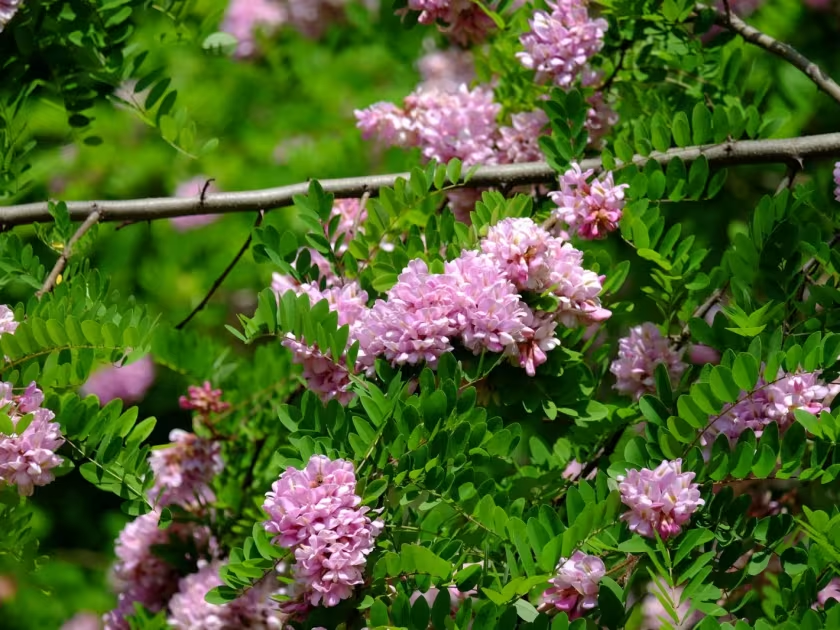
Clammy locust (Robinia viscosa Vent.) is a woody plant belonging to the Fabaceae family. Native to the southeastern United States, this species is recognized for its unique sticky, glandular hairs on the young stems and flower stalks. It is widely valued in horticulture for its beautiful rose-pink flowers and vigorous growth habit.
Botanically, the plant is a small to medium-sized tree that can reach heights of up to 12 meters. Its compound, pinnate leaves are deep green, providing a dense canopy. The tree produces attractive inflorescences that bloom during the late spring and early summer, contributing significantly to its ornamental value.
The cultural requirements for Robinia viscosa are relatively straightforward as it is a resilient species. It thrives in full sun exposure and is highly tolerant of various soil types, including poor, sandy, or rocky soils. It is particularly valued for its drought resistance once established, making it suitable for low-maintenance landscaping.
Agronomic management involves proper spacing during planting to allow for maximum growth and airflow. Propagation is typically achieved via seeds or root cuttings. Periodic pruning is recommended to maintain a desired form and to remove any dead or diseased wood, which encourages healthier subsequent growth and more prolific flowering.
The primary agricultural and economic uses include its role as a high-quality honey plant for apiculture and its utility in erosion control on slopes and unstable terrain. Additionally, the wood of the clammy locust is hard and durable, often used in small-scale carpentry and for decorative landscaping purposes.
Main diseases and pests
While generally robust, the plant can be susceptible to fungal diseases such as leaf spots or powdery mildew, particularly in regions with high humidity. Proper site selection and avoiding excessive overhead irrigation can significantly mitigate the risk of these common infections.
Insect pests such as leaf beetles or aphids can occasionally attack the foliage, leading to reduced vigor in young specimens. Monitoring the plants during the growing season and applying integrated pest management strategies, including the use of targeted insecticides, is recommended for maintaining tree health.