
Black locust
Robinia pseudoacacia L.
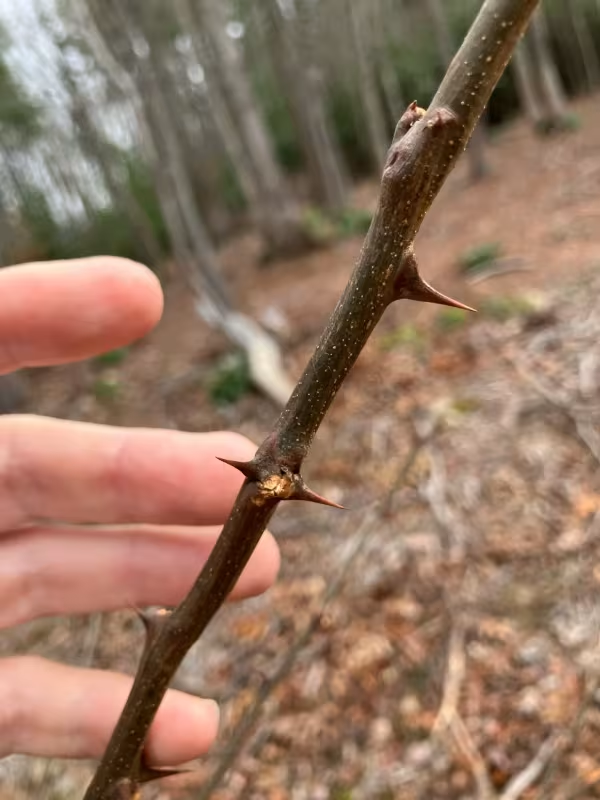
Description
Sowing dates
The propagation of Black locust is typically achieved through seeds. Due to their hard seed coat, seeds must undergo scarification or hot water treatment before planting to ensure uniform germination.
Sowing occurs in spring after the soil has warmed up, ideally in well-drained nursery beds at a depth of about 2 to 3 centimeters for optimal establishment.
Vegetative propagation using root cuttings is another effective method, particularly when fast clonal multiplication is required for reforestation projects or shelterbelts.
In nursery management, spacing between rows should allow for sufficient airflow and light, promoting the growth of robust seedlings before they are transplanted to the final site.
Adequate irrigation is crucial during the first weeks after germination, as the root system needs to establish itself before the plant enters its rapid growth phase.
Growing requirements
Black locust is a nitrogen-fixing legume, which allows it to thrive in nutrient-poor soils. It has a symbiotic relationship with rhizobia bacteria, significantly improving soil fertility over time.
The tree is extremely light-demanding and will not tolerate competition for sunlight from canopy-forming species. It performs best in open areas or plantations with sufficient spacing.
While tolerant of drought, Black locust prefers well-drained sandy or loamy soils. It avoids poorly drained or waterlogged environments, which often lead to root rot issues.
Climatically, it is a hardy species but can be susceptible to late spring frosts in temperate regions, which may damage the tender new growth of young plants.
It is widely used in soil conservation efforts and land reclamation because of its fast-growing root system that effectively stabilizes slopes and prevents soil erosion.
Yield
Black locust is highly valued in apiculture. Its fragrant flowers provide an abundant source of nectar, yielding a premium, slow-crystallizing honey that is prized globally.
The timber of this tree is exceptionally durable, rot-resistant, and hard, making it a sustainable choice for outdoor construction, deck boards, fence posts, and high-end furniture.
In managed plantations, the annual volume yield can reach high levels, providing a consistent source of wood for both lumber and specialized artisanal applications.
The tree also serves as a significant source of biomass for renewable energy projects, given the high caloric density of its wood and rapid regeneration from stumps.
Ecological yield is observed in its role as a pioneer species that prepares damaged land for further ecological succession by restoring nitrogen levels and providing shelter for wildlife.
Main diseases and pests
The most prominent pest affecting Black locust is the Lecanium scale, which can infest branches and stems, leading to stunted growth and reduced nectar production.
Fungal diseases, including leaf spots and root rots, represent a significant threat in areas with improper drainage or stagnant water conditions, requiring strict site selection.
Leaf miners can cause severe cosmetic and physiological damage during the mid-summer season, hindering the tree's ability to maximize its photosynthetic capacity.
Effective management strategies include maintaining tree health through thinning and sanitation to prevent the spread of localized infestations or fungal pathogens.
- Lecanium scale
- Black locust leaf miner
- Powdery mildew
- Root rot fungi