
Rhodomyrtus trineura
Rhodomyrtus trineura
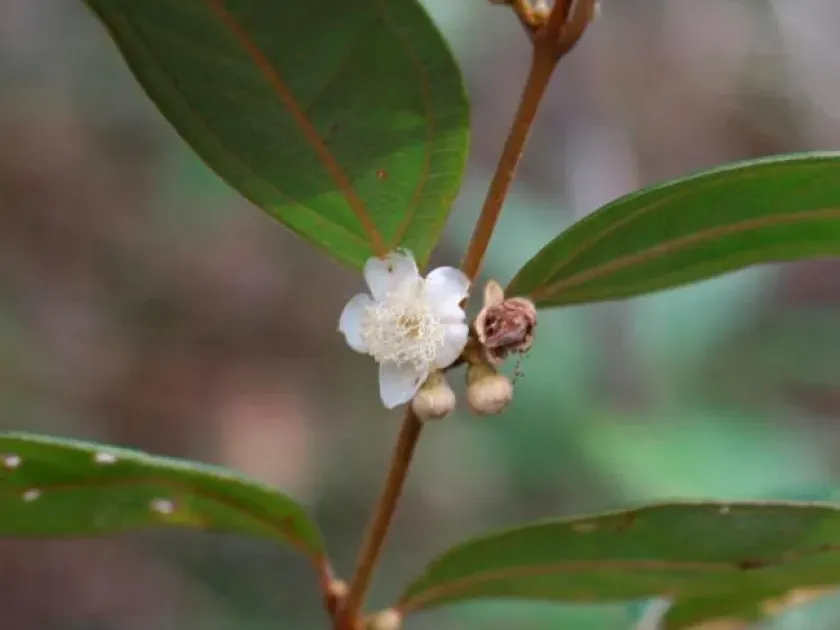
Description
Growing requirements
Rhodomyrtus trineura is a distinct species of the Myrtaceae family, known for its elegant foliage and botanical structure. Native to tropical regions, it thrives in warm, humid environments where the climate remains stable throughout the growing season.
The plant requires deep, well-draining soil that is rich in organic matter. An acidic to neutral pH level is ideal for nutrient absorption. Compacted or waterlogged soils are detrimental to the root system and should be avoided at all costs during planting.
Light intensity is a critical factor for Rhodomyrtus trineura. While it requires plenty of indirect sunlight to sustain vigorous growth, protection from the intense, direct midday sun is advisable to prevent tissue necrosis and burning of the leaves.
Water management involves keeping the root zone consistently moist but not saturated. Mulching the area around the base of the plant helps to maintain soil moisture levels and reduces the competition from opportunistic weeds.
Biologically, the plant exhibits a notable leaf structure characterized by three prominent longitudinal veins. This anatomical feature is characteristic of the species and contributes to the overall structural integrity of the plant during developmental stages.
Main diseases and pests
The most common biological threats to Rhodomyrtus trineura include soil-borne pathogens such as Phytophthora or Pythium, which typically proliferate under high-moisture conditions. Good field drainage is the best cultural control method.
Insect pests, specifically sap-sucking insects like mealybugs and scale, are common in tropical agricultural settings. These pests weaken the plant by extracting essential nutrients and can lead to stunted growth if left unmanaged.
Integrated Pest Management (IPM) practices, including the use of targeted biological agents, are highly effective in controlling pest outbreaks while minimizing the impact on the local ecosystem and the product quality.
Nutritional deficiencies often manifest as chlorosis, which can be mitigated by applying balanced fertilizers containing essential trace elements. Regular leaf analysis helps ensure that the plant receives adequate nutrition.
Environmental stress, such as exposure to strong winds or sudden temperature drops, can leave the plant vulnerable to secondary bacterial infections. Providing windbreaks or protective shelters in colder zones is recommended for long-term health.