
Rhodomyrtus pervagata
Rhodomyrtus pervagata
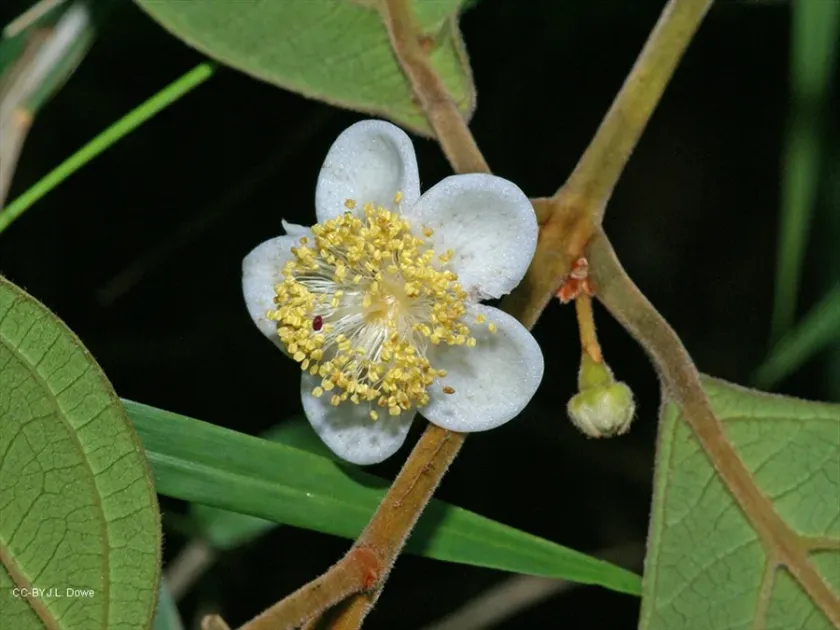
Description
Growing requirements
Rhodomyrtus pervagata is a distinctive shrub species belonging to the Myrtaceae family. It is characterized by dense foliage and the presence of essential oil glands within the leaves, which are typical traits of plants in this taxonomic group.
The native distribution area of this species is centered in Australian tropical regions. In agricultural settings, it requires well-drained, slightly acidic soil profiles that mimic its natural habitat. Soil aeration is critical to prevent root system suffocation.
Climatic requirements are strict: the plant thrives in tropical temperatures between 20°C and 28°C. It is extremely sensitive to frost and cold snaps, requiring controlled environmental conditions or greenhouse protection in non-tropical climates.
Light intensity plays a key role in the plant's metabolic processes. While it prefers full sun for vigorous growth, young specimens benefit from filtered light to prevent leaf scorching. Consistent daily light duration is essential for maintaining natural vitality.
Water management must be precise. The substrate should be kept consistently moist but never waterlogged. Regular monitoring of the substrate moisture level is required, especially during the peak growing season to avoid secondary fungal infections.
Main diseases and pests
The primary threat to the stability of Rhodomyrtus pervagata crops is the Myrtle Rust (Puccinia psidii). This fungal disease can cause severe damage to foliage and apical meristems, potentially stunting the entire plant's development.
Effective management of Myrtle Rust involves a combination of resistant cultivar selection, strict quarantine measures, and timely fungicide application. Sanitation practices, such as removing infected plant debris, are vital to preventing disease spread.
Insects like mealybugs and scale insects represent the most significant pest pressure in controlled environments. These pests feed on plant sap, weakening the host plant and facilitating the growth of sooty mold on the leaves.
Integrated Pest Management (IPM) strategies, including the use of beneficial insects and targeted biological controls, are recommended. Minimizing chemical pesticide use ensures the quality of the harvested materials, especially if intended for essential oil production.
Monitoring for root-knot nematodes is also necessary, particularly in sandy soil types. Maintaining soil health through proper organic matter management and crop rotation helps in minimizing the risks associated with subterranean pests.