
Rhodomyrtus psidioides
Rhodomyrtus psidioides
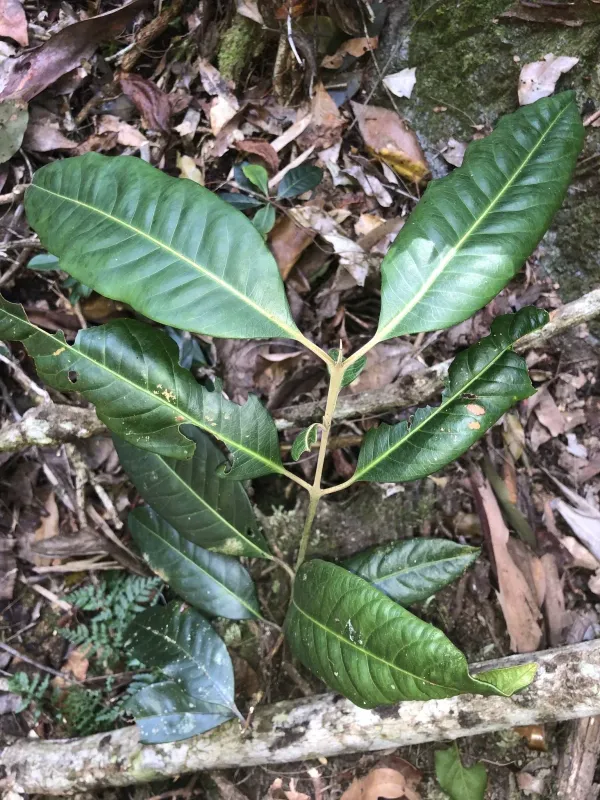
Description
Growing requirements
Rhodomyrtus psidioides, commonly known as the native guava, belongs to the Myrtaceae family. It is a tree species native to the subtropical and tropical rainforests of eastern Australia, where it thrives in diverse, high-humidity environments.
The plant requires a warm, frost-free climate to maintain healthy growth and high productivity. Ideally, it should be cultivated in fertile, well-drained loamy soils that possess a high organic matter content to support the nutrient-intensive vegetative stages of the tree.
Botanically, it features leathery, evergreen leaves and clusters of flowers, which are typical characteristics of the Myrtaceae family. The tree requires ample sunlight to develop its canopy and ensure the formation of its distinctive, fleshy fruit, which is highly sought after.
Agricultural management of this crop involves precise irrigation practices, ensuring the soil remains moist but not waterlogged. Overwatering can lead to root rot, so incorporating high-quality drainage systems within the plantation architecture is a fundamental requirement for success.
Economically, Rhodomyrtus psidioides is utilized both for its edible fruit and its dense, durable wood. The integration of this tree into agroforestry systems provides ecological benefits, including soil stabilization and biodiversity support, in addition to its direct harvest value.
Main diseases and pests
The primary threat to the cultivation of Rhodomyrtus psidioides is the pathogen Austropuccinia psidii, widely known as myrtle rust. This fungus poses a severe risk to members of the Myrtaceae family, causing devastating damage to leaves and shoots.
Fungal leaf spot diseases and powdery mildew often occur in areas with poor air circulation or excessively high humidity. To mitigate these risks, growers should implement spacing strategies that promote airflow and ensure that foliage dries quickly after rain or irrigation.
Pests such as aphids and scale insects represent secondary threats, primarily targeting younger plants or trees under stress. These insects weaken the plant by extracting phloem sap, creating entry points for opportunistic fungal infections that further deteriorate the health of the tree.
Effective management strategies revolve around early detection and rigorous sanitation practices. Regular pruning is essential to remove any infected material, which helps in reducing the inoculum load and preventing the rapid spread of diseases throughout the orchard.
Integrated pest management (IPM) protocols, including the introduction of beneficial predatory insects and the judicious use of certified fungicides, are necessary for high-yield operations. Maintaining optimal plant vigor through balanced nutrition remains the best defense against persistent threats.