
Rose myrtle
Rhodomyrtus tomentosa
Description
Growing requirements
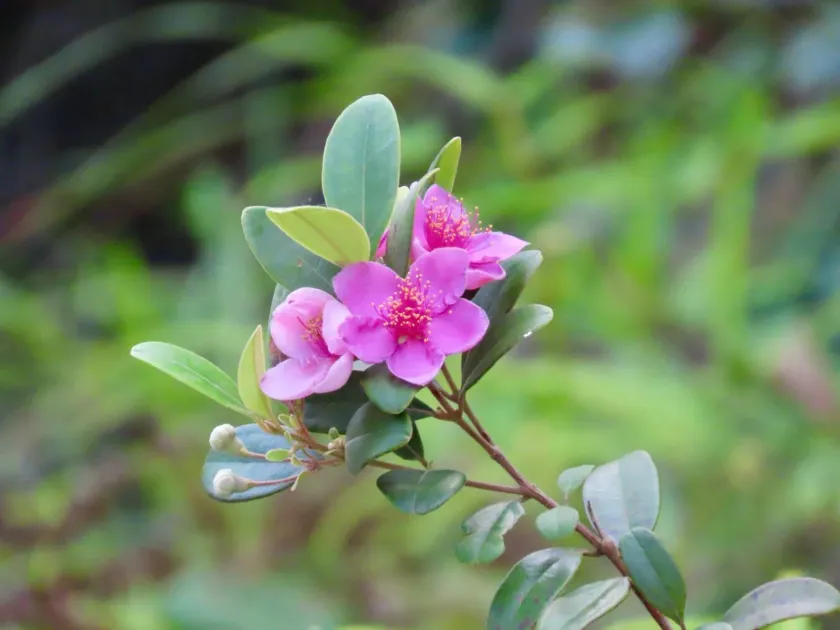
Rose myrtle (Rhodomyrtus tomentosa) is an evergreen shrub belonging to the Myrtaceae family. Originally native to tropical and subtropical regions of Asia, it is now cultivated for its ornamental value and edible berries.
The plant thrives in well-drained soils and shows a preference for acidic to neutral pH levels. It is hardy in warm climates but requires full sun exposure to ensure vigorous vegetative growth and optimal berry production.
It is moderately drought-tolerant once established, but consistent soil moisture is crucial during the initial stages of growth and throughout the flowering period to prevent fruit drop.
In terms of climate, it performs best in regions with high humidity and temperatures ranging from 20 to 30 degrees Celsius. In colder zones, it must be grown in containers and protected during winter months.
Fertilization with organic compost in early spring supports plant health. Consistent pruning is recommended to maintain a manageable size, enhance airflow through the foliage, and promote better light penetration.
Yield
The fruit of the rose myrtle is a soft, purple-black berry with a sweet, aromatic flavor. These berries are highly prized for making jams, jellies, and desserts due to their unique nutritional profile.
Besides culinary uses, the leaves and fruits have traditional medicinal applications, often utilized for their astringent and antiseptic properties. This dual purpose increases the agricultural value of the crop.
A mature, well-tended shrub can produce a substantial volume of fruit, which can be harvested over several weeks. Yield consistency depends on the success of cross-pollination by local insect populations.
Efficient harvesting techniques involve picking the fruit when it turns a deep, uniform color, ensuring the sugars have fully developed. Hand-harvesting is standard, as the fruits are delicate.
Post-harvest management is essential; fruits should be stored in cool, ventilated conditions to prolong their shelf life and maintain flavor integrity before processing or distribution.
Main diseases and pests
Fungal infections, such as leaf spot, are the most common issues arising in humid conditions. Ensuring proper spacing between plants and regular thinning helps to reduce the risk of disease spread significantly.
Pests like scale insects, aphids, and mites can cause damage to new growth. Monitoring the underside of leaves for these pests allows for early intervention, often using insecticidal soaps or neem oil.
Poor soil drainage is a significant risk factor for root-related issues. Practitioners should avoid waterlogging at all costs, as it creates an environment conducive to root rot pathogens.
In certain regions, rose myrtle is considered invasive. Farmers must manage plant growth strictly to prevent it from escaping into natural habitats, adhering to local agricultural regulations.
Integrated pest management, including encouraging beneficial predators like ladybugs, is the most sustainable approach to keeping the crop healthy and productive throughout the growing season.