
Rhodomyrtus macrocarpa
Rhodomyrtus macrocarpa
Description
Sowing dates
Rhodomyrtus macrocarpa is an evergreen shrub or small tree belonging to the Myrtaceae family. The plant is native to the tropical regions of Northern Australia and surrounding islands, typically found in wet forests and open woodland habitats.
Seeds of Rhodomyrtus require high humidity and consistently warm temperatures for germination. Sowing is usually carried out in specialized, well-draining substrates immediately after extracting the seeds from ripe fruits, as they have a limited shelf life and lose viability quickly.
For successful agricultural propagation, it is essential to maintain soil temperatures between 25–30 degrees Celsius. The germination process can take anywhere from a few weeks to several months, requiring strict monitoring of watering and seedling light levels.
Young seedlings require gradual adaptation to direct sunlight, as they often grow in partial shade in their natural habitat. Transplanting to a permanent location is performed once the plant has strengthened and developed a robust root system.
Propagation via cuttings is also a viable method, which helps preserve the varietal traits of the parent plant, which is crucial for obtaining consistent yields with specific flavor characteristics.
Growing requirements
Rhodomyrtus macrocarpa has strict climatic requirements, favoring a tropical to subtropical climate. The plant is extremely sensitive to freezing temperatures and requires protection from any frost, which can cause significant damage or death to the vegetative parts.
Soil preferences include well-drained, fertile loams or sandy soils with a neutral to slightly acidic pH. Waterlogging in the root zone is detrimental to the plant, so the selection of planting sites must avoid low-lying areas prone to flooding.
Providing regular irrigation is a critical factor during the active growth season, especially when natural rainfall is insufficient. The crop responds well to organic fertilizers, which help maintain the necessary humus levels in the soil.
For optimal crown development, Rhodomyrtus requires open solar exposure, although light shading during midday hours is acceptable for younger plants. In windy regions, the installation of protective screens or windbreaks is highly recommended.
Field management includes systematic weeding around the root zone and mulching, which helps retain moisture and prevents the root system from overheating during the hottest months of the year.
Yield
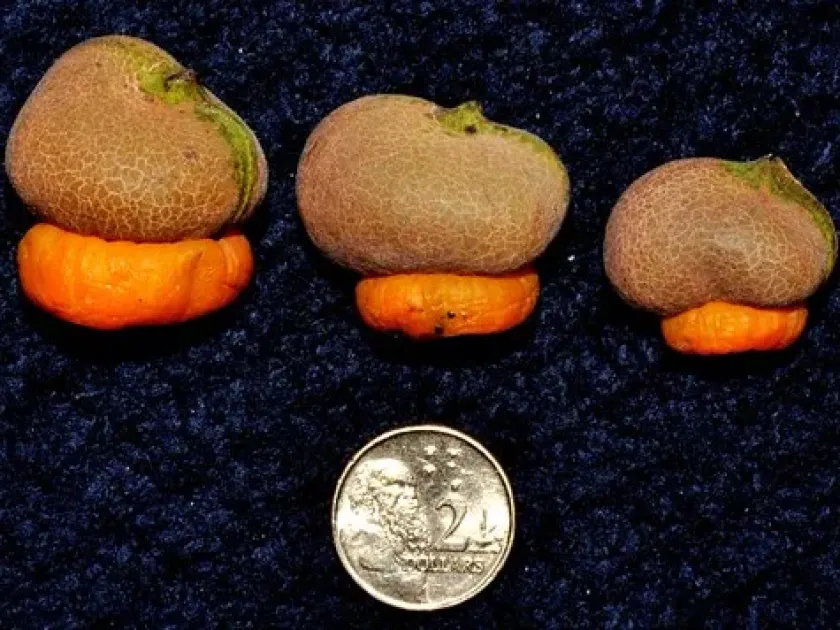
The fruits of Rhodomyrtus are round berries that turn a deep purple or near-black color upon maturity. The flesh is succulent with a distinct sweet and tart flavor, making it a valued product for local consumption and artisanal culinary use.
Yield depends on the age of the plant and the quality of management; mature, well-formed trees are capable of producing significant quantities of fruit throughout the season. The consistency of bearing may vary, but it generally allows for an annual harvest.
In commercial use, the fruits are primarily utilized fresh, or processed into jams, juices, and various confectionery products. Due to its high content of biologically active substances, Rhodomyrtus is of interest to the food processing industry.
Harvesting is performed manually as the fruits reach full consumer maturity, identified when they easily detach from the stem. Care must be taken during the process, as the delicate skin of the berries is prone to bruising.
Storage of fresh fruit is time-limited due to its high water content; therefore, prompt processing or deep-freezing methods are recommended to preserve the organoleptic qualities of the produce.
Main diseases and pests
The main threats to Rhodomyrtus are fungal diseases that develop under conditions of high humidity. Among them, leaf spot and root rot are the most dangerous, often occurring when drainage management is compromised in the field.
In terms of pests, scale insects and aphids are the most significant threats, as they extract sap from young shoots and leaves. Regular monitoring of the plantation allows for the timely detection of outbreaks and the implementation of necessary protective measures.
Pest control should incorporate both biological methods and systemic insecticides if an infestation becomes widespread. An important element of protection is adhering to sanitary standards and removing any infected parts of the plant.
Negative impacts can also be caused by insect larvae that feed on the fruit, requiring the use of protective netting or eco-friendly repellents during the ripening phase.
Disease prevention consists of maintaining optimal planting density to ensure proper air circulation through the canopy and strict control over soil moisture to eliminate stress factors that weaken the plant's natural immunity.