
Rhodocactus sacharosa
Rhodocactus sacharosa
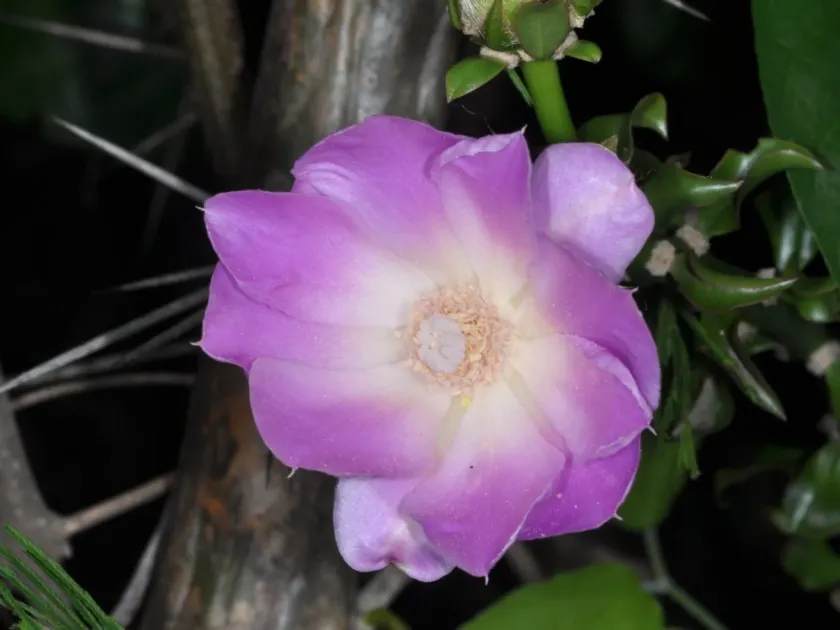
Description
Growing requirements
Rhodocactus sacharosa (Pereskia sacharosa) is a distinctive member of the Cactaceae family, known for its ability to produce broad, fleshy leaves. Unlike most cacti, this plant takes a tree-like or shrubby form, making it a unique agricultural subject in specific arid and semi-arid climates.
Native to the subtropical regions of South America, including Argentina, Bolivia, and Paraguay, the plant is well-adapted to environments with significant seasonal dryness. Its biological resilience allows it to thrive in regions where traditional moisture-dependent crops often fail or require excessive irrigation.
Successful cultivation requires soil that is light, well-draining, and rich in mineral content. The plant does not tolerate waterlogged soil, which can lead to rapid root decay. A sunny location with exposure to direct sunlight is essential for promoting dense foliage development and healthy fruit production.
The climate requirements include high temperatures and a frost-free environment throughout the year. While the plant exhibits high drought tolerance, supplementary irrigation during the peak growing season significantly enhances the yield and quality of its edible fruits.
Economically, Rhodocactus sacharosa is utilized for its edible fruits and as a valuable botanical resource for local markets. Its adaptability to poor soil quality makes it an excellent candidate for land reclamation and agroforestry projects in arid zones that are unsuitable for standard horticultural crops.
Main diseases and pests
The primary threats to this crop include root rot caused by fungal infections, often triggered by poorly drained soil or excessive precipitation. Maintaining a strictly regulated moisture regime is the most effective management strategy to ensure long-term crop viability.
In terms of pests, mealybugs and spider mites are the most common invaders that target the succulent leaves and stems. Regular scouting and early intervention with systemic insecticides or biological controls are necessary to maintain plantation health and ensure optimal yields in commercial settings.