
Forest Rhodocactus
Rhodocactus nemorosus
Description
Growing requirements
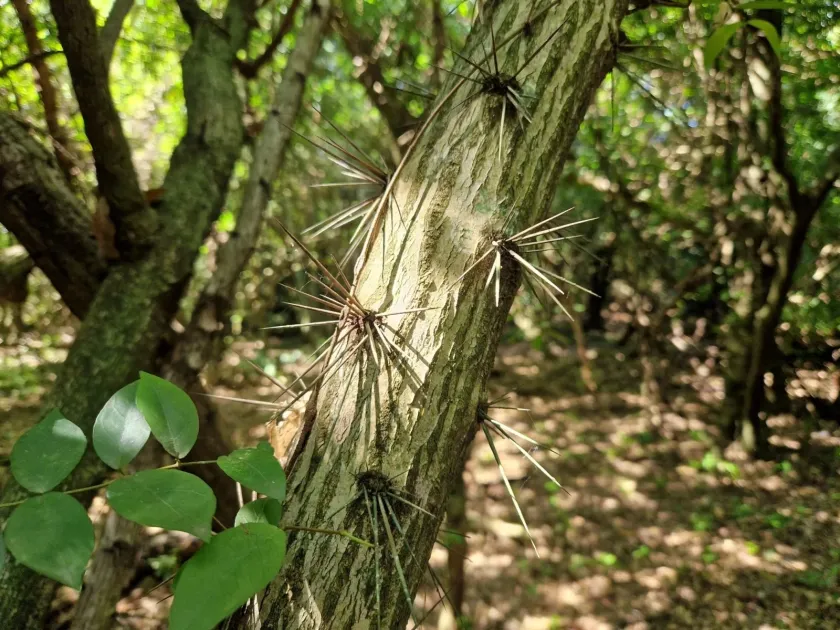
Forest Rhodocactus (Rhodocactus nemorosus), often synonymous with Pereskia nemorosa, belongs to the family Cactaceae. Unlike typical cacti, it is characterized by the presence of true, functional leaves on its woody stems.
Originating from the tropical and subtropical forests of South America, this plant is adapted to partial shade and high humidity. Its biological structure reflects an evolutionary transition between leafy plants and arid-adapted succulents.
Successful cultivation requires a well-structured, loamy soil mix that provides both moisture retention and aeration. Organic matter incorporation is essential for maintaining nutrient levels similar to its native forest floor habitat.
The climate requirements include consistent temperatures between +18°C and +26°C. Avoid direct harsh sunlight, as the leaves are sensitive to intense radiation, which can lead to rapid transpiration and tissue damage.
Watering practices must be balanced throughout the year. During the active growth phase, keep the soil moist but ensure proper drainage to prevent saturation, which the root system cannot tolerate for extended periods.
Main diseases and pests
The primary agronomic threat to Rhodocactus nemorosus is root rot caused by poor soil drainage and waterlogging. This condition rapidly compromises the plant's vascular system, leading to necrosis of the basal stems.
Pest management should focus on monitoring for spider mites and aphids. These insects thrive in environments with low humidity, causing leaf chlorosis and structural damage to the foliage through direct feeding.
Mealybugs represent another significant challenge, often colonizing leaf nodes and protected areas. Their presence can be identified by characteristic cotton-like white clusters, requiring immediate manual removal or systemic treatment.
Fungal leaf spot diseases may develop if ventilation is insufficient. Keeping the canopy dry and ensuring constant air circulation are vital practices to mitigate the risk of pathogen colonization in dense plantings.
Regular sanitation, including the removal of fallen debris and infected leaves, is essential to minimize the inoculum reservoir. Integrated pest management (IPM) protocols should be implemented to ensure long-term plant health.