

Controller
Ф.Меатон Лімітед, Лондон, Великобританія.
Herbicides
0
0
·
749
2 offers
40.55 €per pack
Buy
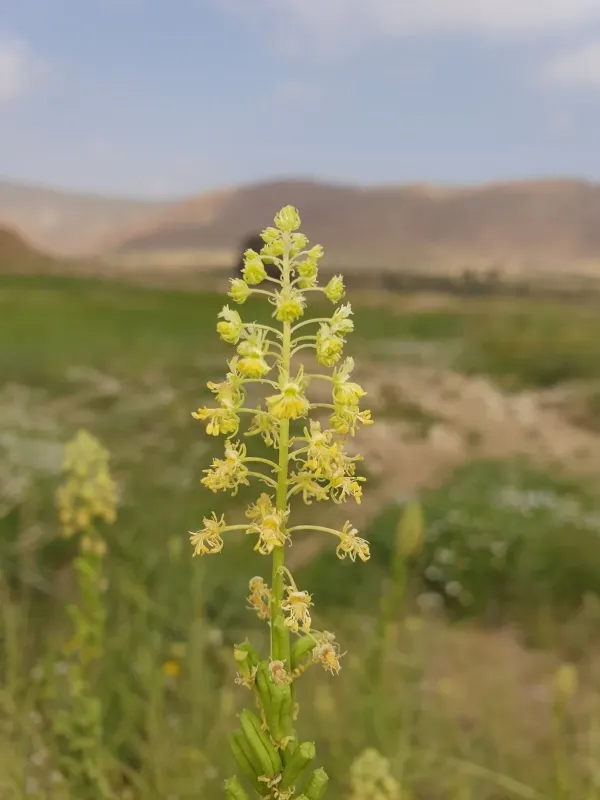
Yellow mignonette is a herbaceous plant that is primarily propagated by seeds. Sowing is carried out mainly in spring, as soon as the soil warms up to 8–10 degrees Celsius, or in late autumn in regions with a temperate climate.
For successful germination, seeds are sown at a shallow depth of no more than 1–2 centimeters, ensuring firm contact with the moist substrate. The crop is characterized by high germination energy provided there is sufficient moisture in the seedbed.
In spring sowing, the first seedlings appear within 12–15 days, depending on temperature conditions and the quality of pre-sowing soil preparation. It is recommended to follow a row-sowing method with row spacing of 30 to 45 centimeters to ensure light access.
The optimal seeding rate is calculated based on seed viability and the planned plant density, which is critical for obtaining high-quality raw materials or seed material. Overly dense stands can lead to a decrease in the productivity of each individual plant.
Under commercial cultivation conditions, it is important to control the absence of weeds in the early stages of crop development, as yellow mignonette seedlings develop slowly and can be suppressed by fast-growing weeds.
Yellow mignonette belongs to the Resedaceae family and is a typical plant of open spaces, meadows, and rocky slopes. It demonstrates high ecological plasticity and the ability to survive in nutrient-poor soil conditions.
The plant prefers sunny, well-lit areas with a neutral or slightly alkaline soil reaction. In acidic soils, the development of the crop slows down significantly, making liming an essential agronomic practice.
The plant does not place strict demands on climatic conditions, showing drought resistance once the root system is established. It withstands temperature fluctuations well, allowing it to be cultivated in various climatic zones.
Physical soil properties, such as good aeration and permeability, are critical for preventing root rot. Waterlogged conditions in the root zone are detrimental to this plant, so sandy loam or light loamy substrates are preferred.
Within the framework of crop management, it is important to consider the plant's need for calcium, so the application of mineral fertilizers containing this element promotes more active growth of above-ground biomass and abundant flowering.
The economic use of yellow mignonette covers several areas, including the production of natural dyes, medicine, and beekeeping. As an industrial crop, it is valued for its content of specific flavonoids.
As a honey plant, yellow mignonette is valued for its long flowering period, providing bees with nectar and pollen during the summer months. Nectar productivity can vary depending on planting density and weather factors.
The medicinal significance of the plant is determined by the chemical composition of its roots and aerial parts, which contain glycosides. Traditionally, it was used in folk medicine as a diuretic and diaphoretic agent, which requires caution when applied.
In the past, yellow mignonette was a primary source of yellow dye for the textile industry, valued for its high colorfastness and vibrancy. Today, this market segment is considered niche and environmentally oriented.
The biological productivity of biomass directly depends on the soil fertility level and the timeliness of agronomic measures, such as weeding and top-dressing during the period of intensive vegetation.
Yellow mignonette possesses a fairly strong immune system, but under high humidity conditions, it can be affected by powdery mildew. The disease manifests as a white coating on the leaves, which reduces photosynthesis efficiency.
Among pests, the larvae of the mignonette moth pose the greatest danger, capable of consuming leaf blades in a short time. Regular monitoring of the crops allows for the detection of infestation spots at an early stage.
Damage from cruciferous flea beetles is also possible, especially during the cotyledon leaf stage. The use of agronomic control methods, such as crop rotation and spatial isolation, significantly reduces the risk of damage.
Root rots can occur with systematic waterlogging of the soil, making the correct choice of site for planting a decisive factor in phytosanitary health. Drainage of the site is the best preventative measure.
In the case of mass reproduction of pests, the use of biological products is possible, as the use of harsh chemical pesticides on honey crops is strictly limited due to the need to preserve beneficial pollinating insects.
The harvesting of above-ground biomass for industrial needs is carried out during the period of mass flowering, when the concentration of useful substances in the stems and leaves reaches its maximum.
When harvesting raw materials, it is important to mow in dry weather to avoid waterlogging and rapid deterioration of the plant material after cutting. The process must be followed by immediate drying in the shade.
Seed crops are harvested after the seed pods begin to turn yellow and dry out. Timeliness of harvesting is important to prevent seed shattering, which is a characteristic biological feature of this species.
After harvesting, the seed material is cleaned of impurities and dried to an optimal moisture level, ensuring long-term storage without loss of viability. Seed storage must be carried out in a cool and dry place.
Residues of plant biomass after seed harvesting can be used as mulch or incorporated into the soil as green manure, which helps increase organic matter content in the field.