
Silky Bluegrass
Dichanthium sericeum (R. Br.) A. Camus subsp. sericeum
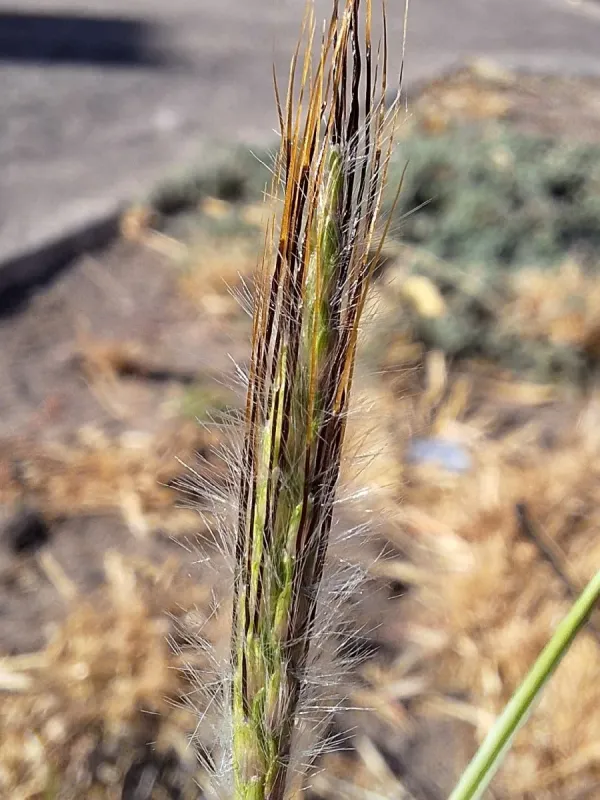
Description
Growing requirements
Silky Bluegrass (Dichanthium sericeum) is a perennial grass belonging to the Poaceae family. It is a highly valued forage species known for its remarkable ability to thrive in arid and semi-arid environments where other grasses struggle to survive.
Native to Australia, this grass has adapted to a wide range of soil types, showing particular success on heavy clay soils. Its deep and efficient root system allows it to extract moisture from deeper soil layers, contributing to its extreme drought tolerance.
The plant grows best in warm temperatures and requires full sun to maximize its biomass production. It is essentially a warm-season grass, exhibiting rapid growth during summer months following rainfall events.
Regarding soil requirements, Silky Bluegrass is quite versatile. It prefers well-drained conditions but can withstand short periods of waterlogging, which makes it suitable for areas prone to occasional flooding after heavy rains.
Agricultural management is relatively simple compared to introduced fodder species. Once established, it acts as a resilient perennial, providing stable ground cover and protecting soil from erosion in livestock grazing systems.
Yield
Silky Bluegrass is primarily utilized as a high-quality forage source for cattle and sheep. In its vegetative state, it provides excellent nutritional value, including sufficient protein levels for growing livestock.
For optimal yield, rotational grazing is highly recommended. This practice ensures that the plants are grazed at their most palatable stage, preventing the plants from becoming overly fibrous and stemmy as they mature into the reproductive phase.
While primarily a grazing crop, it can also be harvested for hay. However, timing is critical; harvesting must occur before the grass reaches full maturity to ensure that the hay is palatable and digestible for ruminants.
The total yield of biomass depends heavily on rainfall patterns and grazing intensity. Under well-managed conditions, the grass maintains a thick, uniform cover that can support significant stocking rates throughout the active growing season.
One of the key advantages of this species is its quick regrowth capacity. Following a period of grazing or cutting, the plant responds rapidly to moisture, facilitating high seasonal productivity.
Main diseases and pests
The main threats to Silky Bluegrass include various grass-feeding insects, such as locusts and grasshoppers, which can significantly reduce foliage volume during peak population outbreaks.
Fungal diseases like rust can occur under conditions of high humidity and poor air circulation within the stand. These diseases are most common in dense, unmanaged patches of old growth.
Weed encroachment is a primary concern during the initial establishment phase. Once the stand is mature and dense, it typically suppresses most invasive weeds through competition for light and water.
Overgrazing is the most severe threat to the long-term health of a Silky Bluegrass pasture. Continuous heavy grazing removes the photosynthetic area needed for recovery, ultimately leading to root starvation and stand decline.
Effective management strategies include periodic resting of pastures. This allows the plants to set seed and replenish carbohydrate reserves in the roots, ensuring the persistence of the crop over many years.