
Dichanthium annulatum
Dichanthium annulatum (Forssk.) Stapf
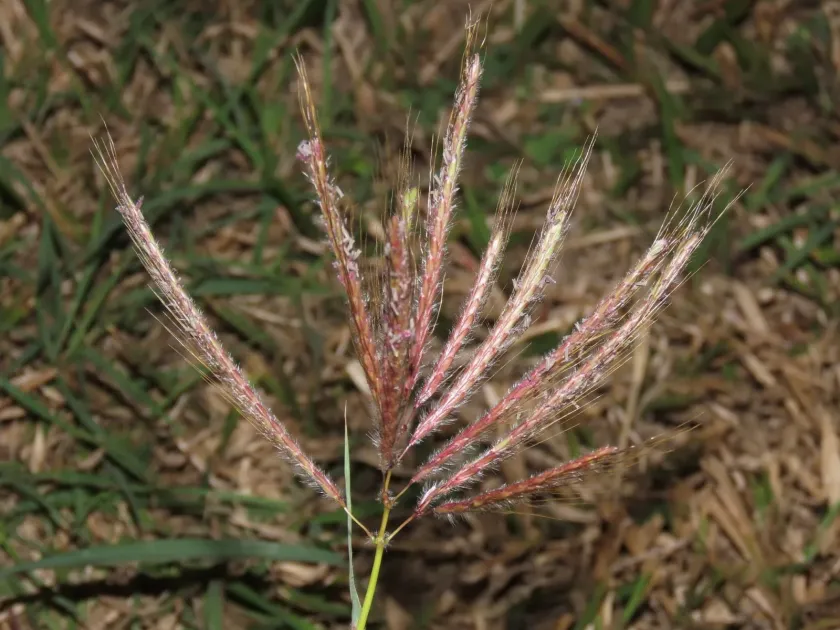
Description
Sowing dates
Dichanthium annulatum, commonly known as marvel grass, is a resilient perennial species that requires careful sowing planning. The optimal time for planting is at the beginning of the rainy season, ensuring the soil remains moist enough for germination while avoiding excessive waterlogging during the initial establishment phase.
Preparation involves clearing the land of competing weeds and lightly tilling the topsoil. Seeds should be sown at a shallow depth of 1–2 centimeters, which is ideal for the small seed size of this grass, ensuring consistent emergence and robust root development in the juvenile stages.
Row planting with a spacing of 25–30 centimeters is recommended for establishing permanent pastures. This spacing allows for proper air circulation and provides enough space for each plant to expand its root system, which is vital for the survival of the crop in later years.
Vegetative propagation using root cuttings or established sods is also a viable method, especially in degraded areas where rapid soil cover is required to prevent erosion. This method ensures faster establishment compared to seeding, particularly in harsher environmental conditions.
Once established, the seedlings are generally hardy, but initial weed control is critical during the first two months. A healthy stand will typically achieve full canopy cover by the end of the first growing season, effectively suppressing most opportunistic weeds.
Growing requirements
Dichanthium annulatum is highly valued for its exceptional drought tolerance, making it a staple crop in arid and semi-arid regions. It thrives in various soil types, ranging from light sandy loams to heavy clay soils, and shows a notable tolerance for saline and alkaline conditions.
The plant performs best under full sunlight, as it is a tropical grass that requires significant solar radiation for photosynthesis and biomass production. It is sensitive to heavy shading and should be managed in open areas to maintain its competitive growth and nutritional quality.
The ideal temperature for active growth ranges between 25 and 35 degrees Celsius. While it enters a dormant state during cold periods, it is highly adaptable to the fluctuating thermal conditions typical of tropical and subtropical savanna ecosystems.
Water requirements are relatively modest once the plant is mature. However, it displays a unique resilience to occasional flooding, allowing it to grow in areas with poor drainage that would kill off more sensitive species. This versatility makes it an excellent choice for reclamation projects.
Fertilization is not always necessary on fertile soils, but nitrogen application during the start of the growth phase can significantly boost biomass yield. Managing soil pH, ideally between 6.0 and 8.5, ensures optimal nutrient uptake and long-term sustainability of the pasture.
Yield
The primary utility of Dichanthium annulatum is as a high-quality forage source for ruminant livestock. It provides significant yields of green fodder, with production levels largely depending on rainfall and soil fertility, often supporting intensive grazing schedules.
Nutritional value is highest during the vegetative stage, where the leaves are tender and rich in proteins and minerals. This makes it an ideal feed for cattle, sheep, and goats, contributing to improved body condition scores and high milk production in dairy herds.
The grass is exceptionally responsive to grazing pressure. Frequent harvesting or rotational grazing stimulates tillering, which effectively increases the density of the stand. This capacity for quick recovery after defoliation is a key economic trait for livestock producers.
Hay production is another viable application of this crop. When harvested at the right time—before the stems become excessively lignified—the hay retains a high level of nutrients and palatability, providing an excellent winter supplement for livestock during feed scarcity.
Sustainable pasture management involves alternating grazing intervals to allow the plants to replenish root reserves. When managed properly, the stand can remain highly productive for several years, providing a reliable and cost-effective source of nutrition for grazing animals.
Main diseases and pests
Dichanthium annulatum is susceptible to various fungal pathogens, primarily rust and smut diseases. These infections are often exacerbated by high humidity and poor ventilation within the canopy, potentially reducing both the yield and the overall health of the pasture stand.
Insect pests, such as aphids and leafhoppers, can cause significant damage by feeding on plant sap. These pests not only reduce the foliage mass but can also act as vectors for secondary infections, leading to the yellowing and necrosis of leaves if left unchecked.
Effective control measures focus on maintaining optimal plant density and avoiding overgrazing. Regular monitoring for signs of infestation allows for early intervention, using integrated pest management strategies to minimize the need for chemical control on grazing lands.
Weed encroachment is a major challenge during the establishment phase and in neglected pastures. Competitive weeds can outgrow the grass in its early stages, necessitating mechanical or chemical control to ensure the survival and vigor of the forage stand.
Managing the health of the pasture requires consistent inspection routines. By identifying and addressing early symptoms of disease or pest outbreaks, farmers can prevent localized issues from spreading across the entire grazing area, thus protecting the long-term investment in the crop.