
Angleton grass
Dichanthium aristatum (Poir.) C. E. Hubb.
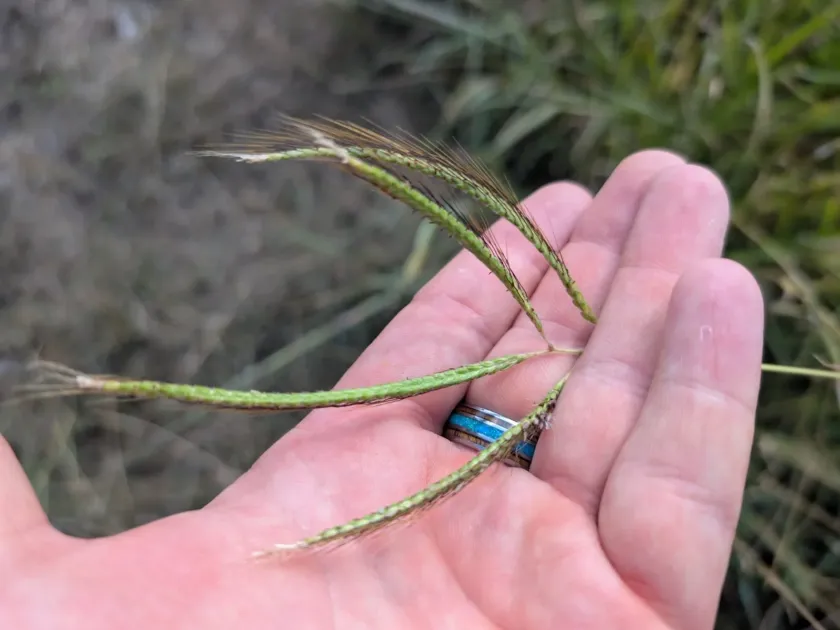
Description
Growing requirements
Angleton grass (Dichanthium aristatum) is a perennial grass species belonging to the Poaceae family. It is widely recognized in tropical and subtropical regions for its role as a high-quality forage crop for livestock.
This grass thrives in a variety of soil types but shows a clear preference for heavy, moisture-retentive clays. One of its standout features is its remarkable tolerance to waterlogging, allowing it to grow in areas where other grasses would fail.
Angleton grass requires warm temperatures to achieve optimal biomass production. It is highly sensitive to frost, which limits its primary cultivation to warmer climate zones where it can persist as a perennial.
The plant demonstrates excellent vigor once established, spreading through a combination of seeds and runners. This ability helps it form a thick, protective mat that prevents soil erosion on slopes and banks.
Sunlight is a key requirement for the plant. It responds well to full sun conditions and can tolerate some soil salinity, making it a robust choice for land reclamation in diverse tropical environments.
Yield
The primary economic value of Angleton grass lies in its use as grazing pasture and high-quality hay. It is known for its high protein content and palatability, which makes it a preferred choice for cattle producers.
Yield capacity is highly dependent on nitrogen fertility and rainfall. With proper fertilization and rotational grazing management, it can support high stocking rates and maintain a consistent supply of forage throughout the growing season.
The plant has a rapid recovery rate after harvesting or grazing. This allows for multiple cuts per year, provided that soil moisture is adequate, ensuring sustained yields across the agricultural season.
Hay production requires timing the harvest before the grass becomes too stemmy. Proper drying and baling techniques ensure that the nutritional value is preserved for long-term storage.
Beyond forage, the deep and extensive root system of Angleton grass contributes to the overall health of the pasture ecosystem by improving soil structure and enhancing water infiltration.
Main diseases and pests
While Angleton grass is generally hardy and resistant to many standard agricultural pests, it is not immune to environmental stress. High humidity can sometimes trigger fungal leaf diseases that affect the aesthetic and nutritional quality of the forage.
Insect pests such as leafhoppers and various soil-dwelling larvae can pose a threat, particularly in younger stands. Monitoring is essential to ensure that pest populations remain below the economic injury level.
Integrated pest management, including regular rotational grazing, is the most effective way to control many threats. By keeping the grass in a vegetative state, farmers can minimize the impact of various pathogens.
Weed management is critical during the initial establishment phase. Once the stand is mature, the grass usually competes well with weeds due to its dense growth habit, requiring minimal herbicide intervention.
Proper pasture rotation prevents overgrazing, which can weaken the plants and make them more susceptible to root diseases. Maintaining a healthy stand is the best natural defense against pests and diseases.